Introduction
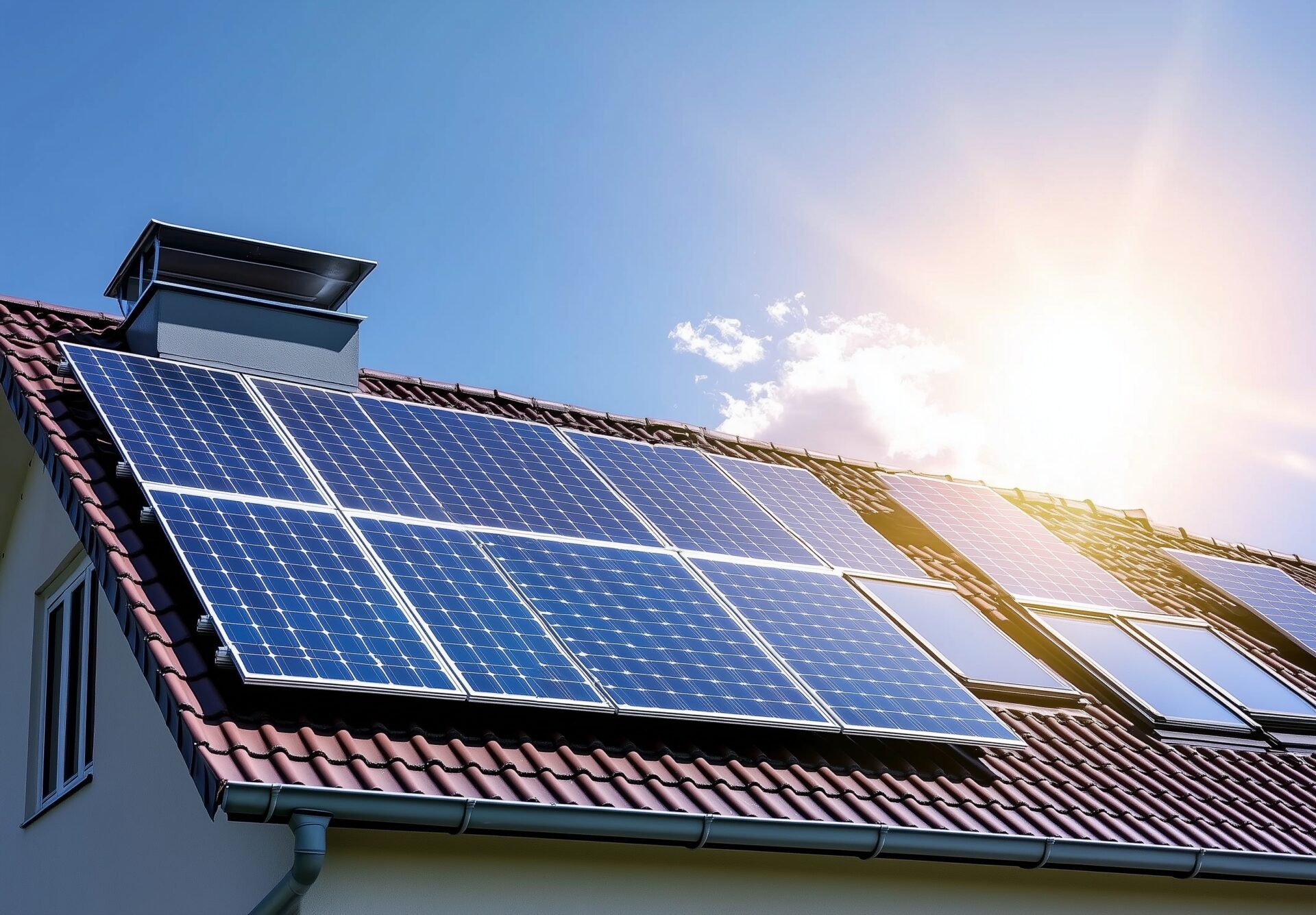
The global energy industry is shifting from centralized fossil-fuel-based generation toward intelligent, decentralized, and renewable-driven infrastructure. At the core of this transformation are PV Solar Systems, which are redefining how electricity is generated, distributed, and consumed.
Unlike traditional power plants that send electricity over long distances, photovoltaic systems generate energy at the point of use. When integrated into smart grids and distributed energy resource (DER) networks, they significantly reduce transmission losses, improve reliability, and enhance energy efficiency.
As demand grows for solar panels installation in Houston, TX, both residential and commercial sectors are increasingly adopting PV systems not just for cost savings, but for participation in a more advanced and resilient energy ecosystem.
Fundamentals of Smart Grids and Distributed Energy Resources
A smart grid is an upgraded electricity network that uses digital communication, automation, and real-time analytics to manage energy flow more efficiently. It enables two-way interaction between utilities and consumers, unlike traditional one-directional power systems.
Distributed Energy Resources (DERs) refer to decentralized energy generation units located close to consumption points. These include rooftop solar panels, battery storage systems, electric vehicles, and small wind turbines.
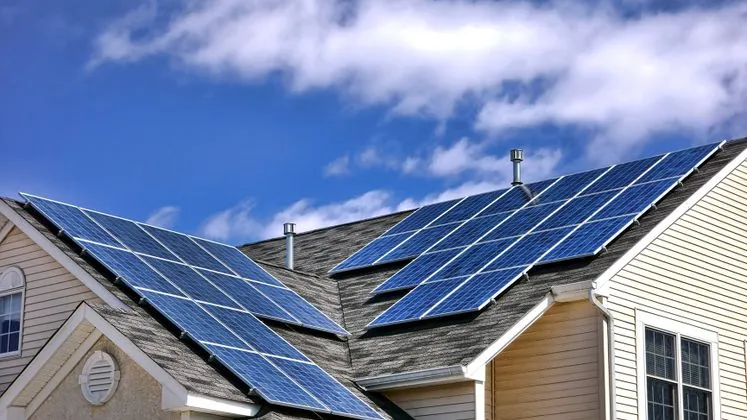
PV Solar Systems are among the most critical DER technologies due to their scalability, low maintenance, and clean energy output. When deployed across residential, commercial, and industrial sectors, they reduce dependency on centralized grids and improve system resilience.
In regions expanding PV solar systems services in Houston, TX, DER adoption is becoming a key strategy for balancing growing energy demand with sustainability goals.
PV Solar Systems in Smart Grid Architecture
Within a smart grid framework, PV Solar Systems function as active and intelligent energy nodes rather than passive generators. Equipped with smart inverters, these systems can communicate with the grid in real time.
Smart inverters allow PV systems to adjust voltage, frequency, and power output dynamically. This helps maintain grid stability, especially during fluctuations caused by variable solar irradiance.
Additionally, smart grids rely on advanced metering infrastructure (AMI) to collect real-time consumption and production data. This enables utilities to optimize energy distribution and prevent overload conditions.
By integrating PV Solar Systems, utilities can transition from reactive energy management to predictive and automated control systems, significantly improving efficiency and reliability.
PV Solar Systems for Distributed Energy Resource Optimization
One of the most powerful advantages of PV Solar Systems is their role in optimizing distributed energy networks. Instead of relying solely on large centralized plants, energy is generated and consumed locally.
This decentralized model reduces transmission losses, which can account for significant inefficiencies in traditional grids. It also enhances system redundancy, meaning that localized failures have minimal impact on the broader network.
Excess solar energy generated during peak sunlight hours can be exported back to the grid through net metering systems or shared within microgrids. This improves energy utilization and supports grid balancing.
When combined with energy storage integration in Houston, TX, PV systems become even more powerful by storing excess energy for use during peak demand or outages, reducing strain on the grid.
PV Solar Systems and Energy Storage Synergy
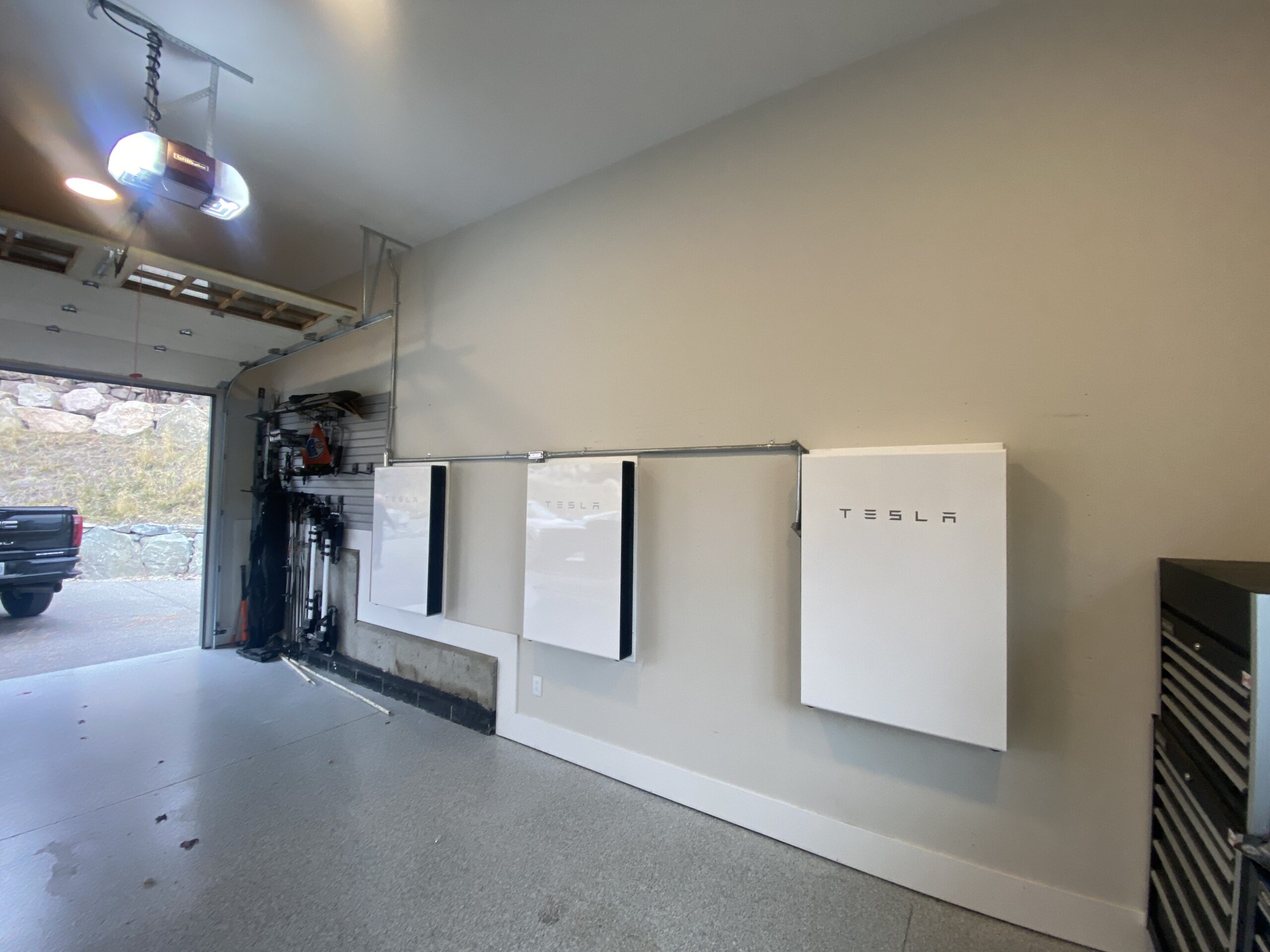
The integration of PV Solar Systems with battery storage is one of the most transformative developments in modern energy systems.
Solar energy is inherently intermittent; it is only generated during daylight hours. However, electricity demand often peaks in the evening. Battery energy storage systems solve this mismatch by storing excess daytime production for later use.
This synergy enables:
- Load shifting (using stored energy during peak pricing hours)
- Peak shaving (reducing demand charges for commercial users)
- Backup power during outages
- Grid stabilization through controlled discharge
Smart energy management systems further enhance this integration by automatically optimizing when to store or release energy based on usage patterns and electricity pricing.
For both residential and commercial users, this combination significantly increases energy independence and financial efficiency.
System Design and Installation Considerations
Designing effective PV Solar Systems requires a highly technical and site-specific approach.
1. Site Assessment
Engineers evaluate solar exposure, roof angle, shading, and structural capacity to determine system feasibility.
2. System Sizing
Accurate load analysis ensures the system is neither undersized nor oversized. Proper sizing balances performance and cost efficiency.
3. Component Selection
High-efficiency solar panels, advanced inverters, and compatible storage systems must be selected for optimal performance.
4. Electrical Design
Proper wiring, grounding, and protection systems are critical to ensure safety and compliance with electrical codes.
5. Professional Installation
Working with experts in solar panels installation in Houston, TX ensures systems are installed correctly, safely, and optimized for long-term performance.
Benefits of PV Solar Systems in Smart Grid Environments
The integration of PV Solar Systems into smart grid infrastructure delivers multiple technical and economic benefits.
Improved Energy Efficiency
Local energy generation reduces transmission losses and increases overall system efficiency.
Grid Resilience
Distributed solar systems reduce reliance on centralized power plants, improving resistance to outages and disruptions.
Cost Reduction
Consumers benefit from lower electricity bills through self-consumption and net metering programs.
Environmental Impact
PV systems significantly reduce carbon emissions by replacing fossil fuel-based generation with clean energy.
Energy Independence
Users gain greater control over their energy supply, reducing exposure to volatile electricity prices.
Challenges in Smart Grid Integration
Despite their advantages, PV Solar Systems face several challenges when integrated into smart grids.
Intermittency
Solar generation depends on weather conditions and time of day, creating variability in supply.
Grid Infrastructure Limitations
Many existing grids were not designed for bidirectional energy flow, requiring upgrades.
Regulatory Barriers
Policies around net metering, interconnection, and pricing vary widely across regions.
Technical Complexity
Advanced control systems, smart inverters, and communication protocols are required for seamless integration.
However, ongoing technological advancements are rapidly addressing these limitations.
Future Trends in PV Solar Systems and Smart Grids
The future of PV Solar Systems is closely tied to digital transformation and energy decentralization.
AI-Driven Energy Management
Artificial intelligence will optimize energy flow, predict demand, and improve system efficiency.
Microgrids and Virtual Power Plants
These systems will connect multiple distributed energy sources into coordinated networks.
Bidirectional Energy Flow
Consumers will increasingly become “prosumers,” both producing and selling energy back to the grid.
Advanced Photovoltaic Technologies
Next-generation solar cells will deliver higher efficiency and lower costs.
Blockchain Energy Trading
Peer-to-peer energy markets may allow direct energy trading between users.
These innovations will redefine how electricity is generated, distributed, and consumed globally.
Conclusion
PV Solar Systems are a foundational technology in the evolution of smart grids and distributed energy networks. Their ability to generate clean electricity locally, integrate with storage systems, and interact dynamically with modern grids makes them essential for the future of energy.
As utilities and consumers move toward decentralized energy models, PV systems will continue to play a central role in improving efficiency, reducing costs, and enhancing sustainability.
For optimal performance and long-term value, working with professionals in PV solar systems services in Houston, TX ensures proper design, installation, and integration into advanced energy ecosystems.