Introduction
A Houston summer afternoon has a way of making electricity feel personal. The air conditioner hums, the fridge is full, the kids are charging devices, and somewhere in the back of the mind is that small question every Gulf Coast homeowner knows too well: What happens if the power goes out?
That question is one reason more homeowners are looking at a solar pv system not just as a way to lower bills, but as a way to gain more control over daily life. Solar is no longer just “panels on a roof.” For many homes, it is a planned energy system that can generate power, send electricity to the house, store extra energy, and support backup power when paired with the right battery setup.
At its simplest, a solar photovoltaic system turns sunlight into usable electricity. At its best, it becomes a smarter way to power a home through hot afternoons, high utility bills, storm season, and the occasional “well, there goes the grid” moment.
Key Takeaways
- A solar PV system uses solar panels, an inverter, and sometimes batteries to power a home.
- Solar panels produce DC electricity; the inverter converts it into AC electricity for household use.
- Battery storage can help keep selected loads running during outages.
- Savings and backup performance depend on the home, roof, utility rules, system size, and energy habits.
What Is a Solar PV System?
A solar PV system is a home energy system that converts sunlight into electricity using photovoltaic technology. “PV” stands for photovoltaic, which describes the process of turning light into electrical energy.
The U.S. Energy Information Administration explains that a photovoltaic cell, often called a solar cell, converts sunlight directly into electricity. Sunlight carries photons, and when those photons are absorbed by semiconductor material inside the cell, electrons move and create electrical current.
A homeowner does not need to memorize the physics. A better way to picture it is this:
Sunlight hits the panels.
The panels make electricity.
The inverter makes that electricity usable.
The home uses it, stores it, or sends extra power where local utility rules allow.
That is the quiet magic of a solar photovoltaic system. Nothing spins. Nothing burns. No smoke. No fuel tank. Just sunlight, hardware, and smart electrical design.
As Thomas Edison is widely quoted as saying, “I’d put my money on the sun and solar energy.” More than a century later, many homeowners are finally asking what that idea looks like on their own roof.
How Does a Solar PV System Work?
A solar PV system works through a simple energy path:
- Solar panels collect sunlight.
Photovoltaic cells inside the panels absorb light and create direct current electricity. - The inverter converts the power.
Homes use alternating current electricity, so the inverter changes DC electricity into AC electricity. - The home uses the electricity.
Solar power can run lights, appliances, air conditioning, electronics, and other household loads. - Extra energy is handled by the system.
Depending on the setup, extra power may charge batteries, flow back to the grid, or be managed for self-consumption. - Monitoring tracks performance.
Solar monitoring helps homeowners see production, usage, and battery activity.
The Department of Energy describes PV systems as more than panels. They include mounting structures and the electrical components that convert direct-current electricity into the alternating-current electricity used by home appliances.
The easiest homeowner-friendly way to understand the system is to think of it as three core parts: solar panels, storage when included, and an inverter that manages conversion and usable output.
The Three Main Parts of a Residential Solar System
1. Solar Panels: The Sun Collectors
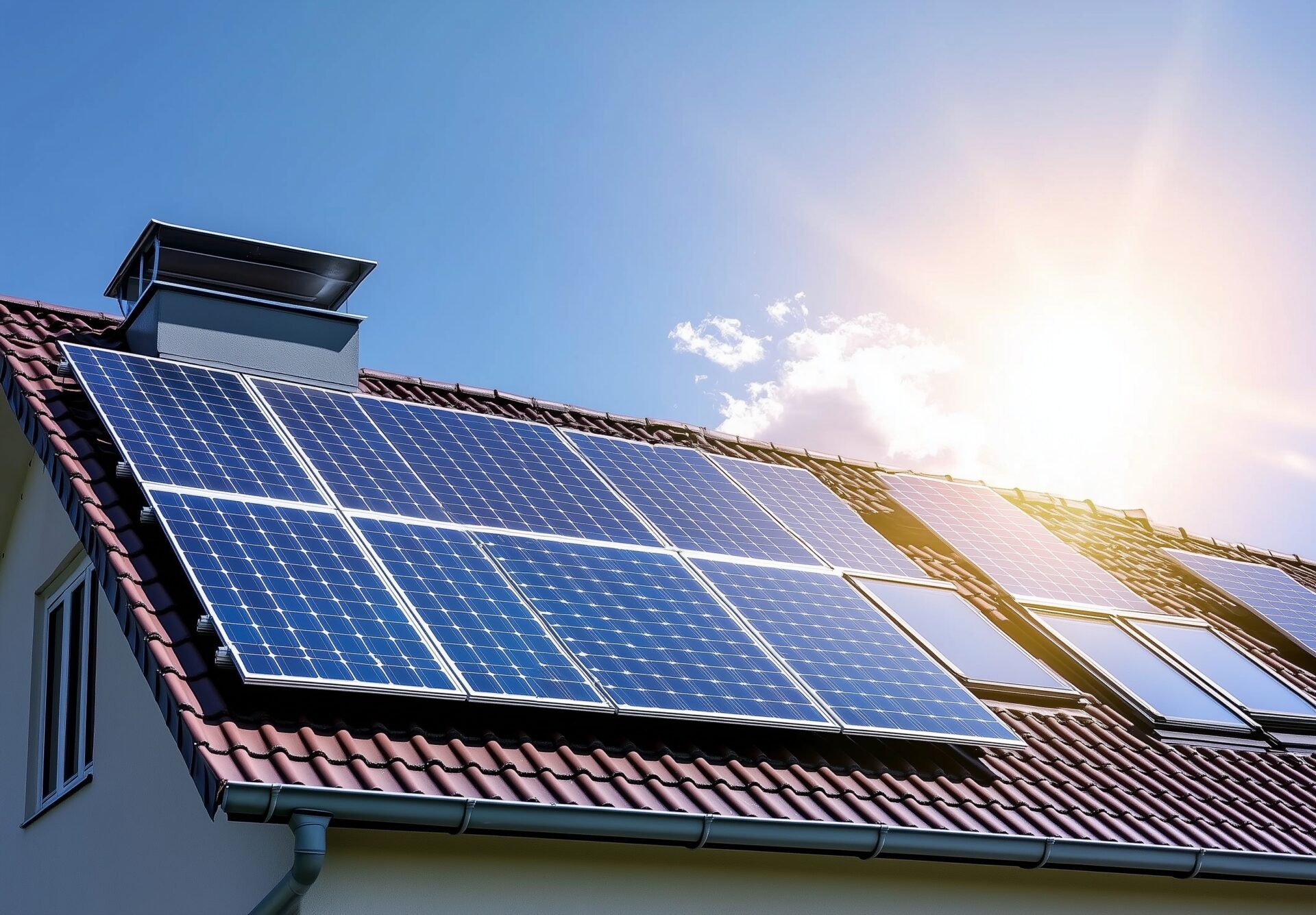
Rooftop solar panels are the most visible part of the system. They sit on the roof, absorb sunlight, and generate DC electricity.
Panel production depends on several real-world factors:
- Roof Direction
- Shade From Trees Or Nearby Structures
- Roof Angle
- Solar Irradiance
- Weather
- Panel Quality
- System Design
In Houston-area communities like Katy, Pearland, Cypress, Sugar Land, and The Woodlands, roof layout matters. A wide, open roof with good sun exposure usually gives a designer more room to build an efficient residential solar system. A shaded or complex roof may still work, but it needs careful evaluation.
2. The Solar Inverter: The Translator
The solar inverter is the part many homeowners never see, but it does some of the most important work.
Solar panels produce DC electricity. Household appliances use AC electricity. The inverter acts like a translator between the roof and the home.
A good solar inverter also helps manage system performance, safety functions, and solar monitoring. Some systems use a central string inverter. Others use microinverters or power electronics at the panel level. The best choice depends on shade patterns, roof design, budget, and the homeowner’s goals.
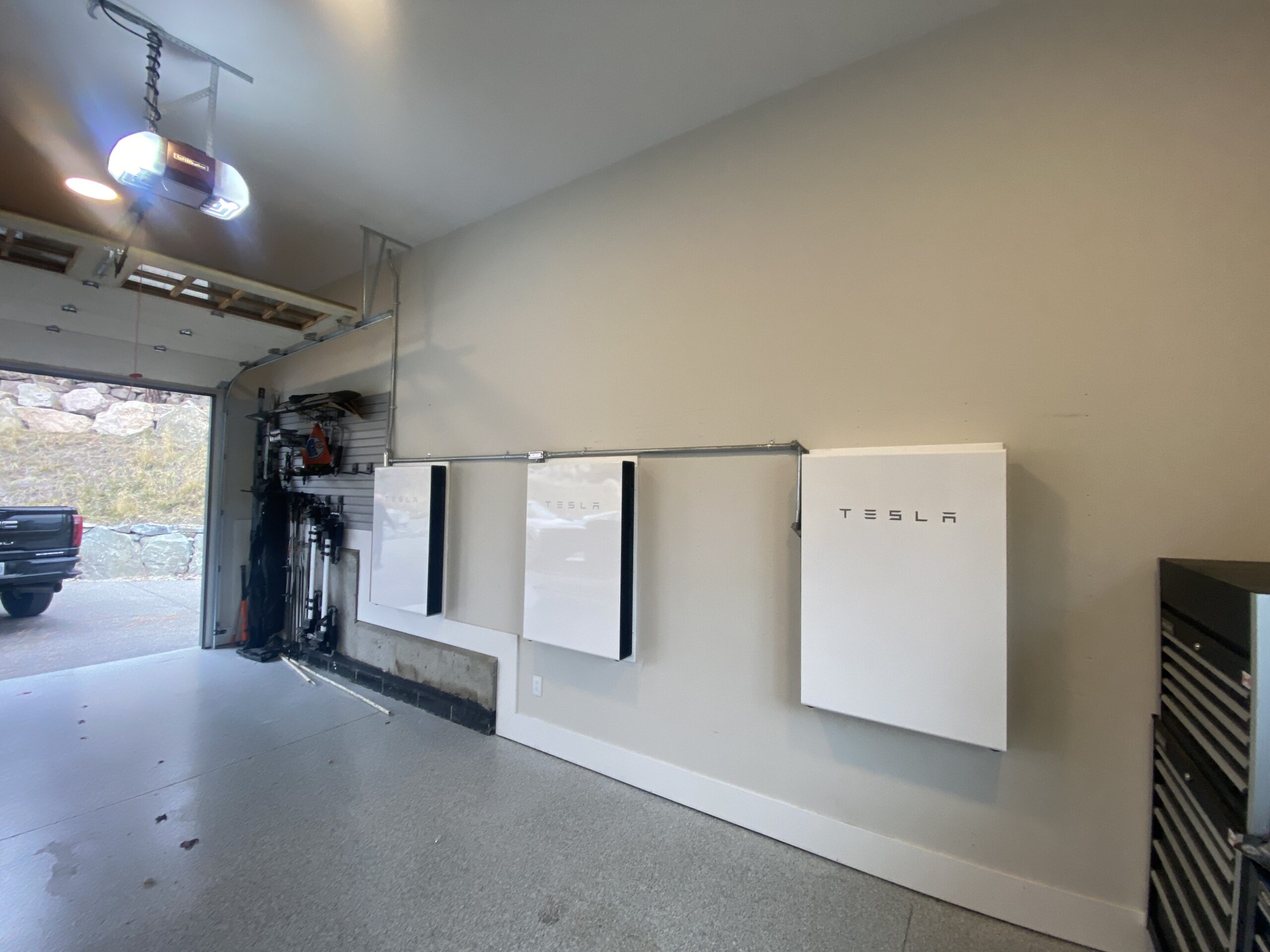
3. Battery Storage: The Reserve Tank
A battery is not required for every solar panel installation, but it changes what the system can do.
Without a battery, many standard grid-tied systems send solar power to the home while the grid is active. During a power outage, however, standard grid-tied systems generally shut down for safety unless battery backup or special equipment is installed. GPT Energy’s own educational content makes this same point for Houston homeowners: standard grid-tied solar does not work during outages by default unless paired with a battery backup system.
With solar battery storage, extra energy can be stored and used later. That may be at night, during peak-rate periods, or during an outage. Backup duration depends on battery capacity and how much power the home is using, especially if large loads like air conditioning are included.
Grid-Tied, Hybrid, and Off-Grid Systems: What Is the Difference?
Most homeowners do not need the most complicated system. They need the right system.
System Type | Best Fit | How It Works | Common Misunderstanding |
Grid-tied solar system | Homes focused on bill reduction | Solar powers the home and interacts with the utility grid | Many people assume it works during outages, but it usually does not without backup equipment |
Hybrid solar system | Homes wanting savings and backup power | Solar works with the grid and battery storage | Some homeowners think every battery backs up the whole home automatically |
Off-grid solar system | Remote properties or special use cases | Solar and batteries operate without the utility grid | It often requires more planning, storage, and load management |
For most Houston-area homeowners, the practical conversation is usually between grid-tied and hybrid. A grid-tied system may help reduce electricity bills. A hybrid solar system adds battery energy storage for more power resilience.
What Most People Get Wrong About Solar
The biggest misunderstanding is that solar panels alone equal outage protection.
They usually do not.
During a sunny day, a roof may be producing power, but a standard grid-tied solar system can still shut down when the utility grid fails. That safety feature helps protect utility workers and electrical equipment. To keep power available during an outage, the home usually needs battery storage, a hybrid inverter, a backup load panel, or another approved backup configuration.
Another common mistake is shopping only by panel count. More panels do not always mean a better system. The better question is whether the system matches the home’s energy use, roof space, utility rules, and backup goals.
A smarter framework is the Sun, Storage, Spending test:
- Sun: How much usable sunlight does the roof get?
- Storage: Does the home need backup power, or just bill savings?
- Spending: What payback, financing, and long-term value make sense?
That simple filter can save homeowners from buying the wrong system for the right problem.
What Affects Solar Savings?
Solar savings vary. That is not a dodge; it is the truth.
A solar pv system services in Houston, TX can perform beautifully on one home and deliver weaker results on another street because the conditions are different. A homeowner with high daytime electricity use may benefit differently than someone who uses most power at night. A roof with full sun behaves differently than a roof shaded by mature trees.
The main savings drivers include:
- Current Electricity Usage
- Utility Rate Structure
- Available Net Metering Or Export Credit Rules
- System Size
- Roof Condition
- Roof Angle And Direction
- Shading
- Equipment Quality
- Financing Terms
- Maintenance And Monitoring
This is also why solar panel installation cost should never be judged from a single online average. A real estimate should account for the roof, electrical panel, battery goals, permitting, interconnection, and the quality of the equipment being installed.
The broader solar market keeps growing, too. SEIA reported that the U.S. solar industry installed 43.1 GWdc of capacity in 2025, which shows how significant solar has become in the national energy mix.
What Should Houston Homeowners Look For Before Going Solar?
Before signing anything, homeowners should slow the process down just enough to ask better questions.
A reliable solar consultation should cover:
- Current Electricity Bills
- Roof Age And Condition
- Shade Patterns
- Household Energy Habits
- Backup Power Priorities
- Battery Expectations
- Permitting And Utility Interconnection
- Warranties
- Monitoring
- Maintenance
- Financing Details
It should also explain what the system will not do. That matters. Solar can be a strong investment, but it is not magic paint for the roof. Not every home is a perfect candidate. Not every battery setup powers every appliance. Incentives and utility rules can change. Financing terms can affect the real value of the project.
A trustworthy installer should be comfortable saying, “Here is what fits,” and just as comfortable saying, “Here is what does not.”
A Familiar Houston Scenario
Picture a homeowner in Cypress after a storm warning. The house has rooftop solar panels, but the family also wants the refrigerator, Wi-Fi, lights, medical devices, and a few outlets to keep working if the grid goes down.
A basic grid-tied system may help with monthly power costs, but it may not meet that outage goal. A hybrid solar system with home battery backup might be the better fit. The designer may recommend a backup load panel so the battery supports the most important circuits instead of trying to run every heavy appliance at once.
That is where good design becomes more valuable than big promises. Energy independence is not about pretending the grid does not exist. It is about giving the home better options when the grid struggles.
Do This, Not That
Do this: Ask for a load review before choosing battery size.
Not that: Assume one battery will power the entire home exactly like the grid.
Do this: Review warranties for panels, inverters, batteries, and workmanship.
Not that: Focus only on the lowest monthly payment.
Do this: Ask how the system behaves during an outage.
Not that: Assume solar panels automatically keep everything running.
Do this: Choose licensed, experienced professionals familiar with local permitting and interconnection.
Not that: Treat solar installation like a simple appliance purchase.
Do this: Look for equipment with recognized safety certifications, such as UL-listed components and IEC-tested modules.
Not that: Ignore safety documentation because the panels “look the same.”
How to Choose the Best Solar PV System for a Home
The best solar PV system for home use is not always the largest or most expensive. It is the one that fits the homeowner’s real energy pattern.
A good decision starts with four questions:
- What problem should the system solve?
Lower bills, backup power, energy independence, or all three? - How much power does the home use?
Usage history matters more than guesswork. - What should stay on during an outage?
Whole-home backup power and essential-load backup require different designs. - What does the roof allow?
Space, shade, age, and structure all affect the final design.
Homeowners should also ask whether the installer uses licensed electricians, offers clear workmanship coverage, explains manufacturer warranties, and provides post-installation support.
GPT Energy INC provides Houston-area solar system design, full-service solar panel installation, energy storage integration, consultation, and post-installation support, according to its public service information. Homeowners can request a consultation by calling 713-913-1554 or emailing info@gptenergy.com.
Conclusion: Solar Works Best When It Is Designed Around Real Life
A solar pv system is not just a set of panels. It is a planned electrical system that turns sunlight into usable power, helps manage energy costs, and can support backup power when paired with the right battery design.
For Houston-area homeowners, the value often comes down to fit. The right system should match the roof, the home’s usage, the family’s outage concerns, and the long-term financial picture. When the design is honest, the equipment is properly selected, and the installation is handled by qualified professionals, solar becomes less confusing.
It becomes practical.
And in a city where heat, storms, and grid concerns are part of everyday life, practical power can feel pretty good.