Introduction
One week, the weather is calm and the house feels easy to cool. The next week, the AC is running like it’s training for a marathon, the kids are leaving lights on, the pool pump is doing its thing, and the electric bill shows up like an unwanted guest.
That is usually the moment homeowners start asking the big question: What does Install solar panels cost really look like in Texas?
The answer is not as simple as a neat number on a postcard. Solar is not priced like a refrigerator or a new sofa. It is more like tailoring a suit for the home. The roof, shade, energy use, battery goals, utility rules, electrical panel, and financing choice all change the final price.
And in Texas, where heat, storms, outages, and high summer energy use are part of daily life, the cheapest system is not always the smartest one.
Key Takeaways
- Texas solar pricing depends on system size, roof layout, energy use, battery backup, and utility rules.
- Cost per watt helps compare quotes, but it should never be the only decision point.
- Battery backup can raise the upfront price, yet it may be valuable for homes that need outage protection.
- The best quote explains the full system, not just the panel count.
Why Texas Homeowners Are Looking at Solar More Seriously
Solar in Texas is no longer a niche idea for the super eco-conscious neighbor down the street. It has become a practical home energy conversation.
Texas ranks second nationally for installed solar capacity, with SEIA reporting 51,902 MWdc of installed solar, enough to power more than 6.2 million homes. That kind of growth says something important: homeowners, businesses, and utilities are treating solar as a serious part of the state’s energy future.
But homeowners are not just asking, “Is solar popular?”
They are asking:
- Will it lower the electric bill?
- Will it help during outages?
- Will the system fit the roof?
- Is battery backup worth it?
- How long before the investment makes sense?
- Which installer can explain this without turning it into a sales circus?
That last point matters more than people think.
A good solar conversation should feel like a home energy plan, not a race to sign paperwork.
Install Solar Panels Cost: What the Price Actually Includes
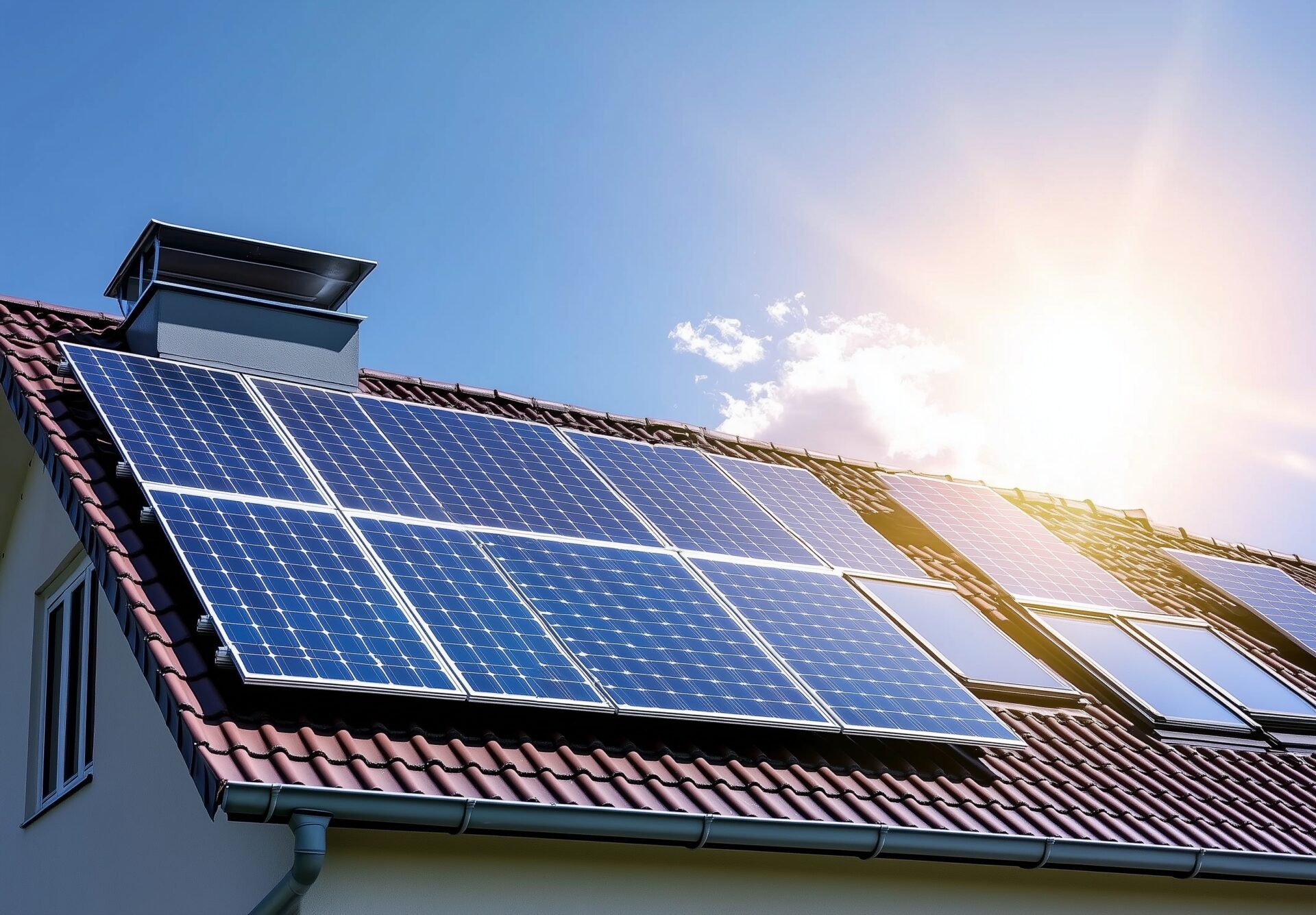
The cost to install solar panels in Texas usually includes much more than the panels themselves.
A complete residential solar panel installation cost can include:
- Solar panels
- Inverters or microinverters
- Racking and roof attachments
- Electrical wiring
- System design
- Permits
- Utility interconnection
- Installation labor
- Monitoring setup
- Inspection support
- Battery equipment, if included
- Backup load planning, if storage is included
- Service and workmanship warranty
This is where many homeowners get surprised. They picture panels on a roof and assume most of the cost sits in the panels. In reality, the system around the panels matters just as much.
A solar panel installation estimate should clearly show what equipment is included, how much power the system is expected to produce, whether battery backup is part of the design, and what happens after installation.
If a quote looks thin, vague, or too good to be true, it deserves a second look.
What Changes the Price of Solar in Texas?
No two homes use energy in the same way. A 2,000-square-foot home with great insulation and a modest AC habit may need a very different system than a similar home with two AC units, a pool, an EV charger, and teenagers who believe every room needs to be lit like a stadium.
Here are the biggest price drivers.
1. Energy Usage
The home’s electric bill tells the real story. Solar designers should review annual usage, not just one summer bill. Texas usage can swing hard between mild months and peak cooling season.
Higher usage usually means a larger system, which raises the total solar panel system price.
2. Roof Shape and Direction
A simple, open roof can make installation easier. A roof with steep slopes, many angles, dormers, vents, skylights, or limited sunny space may require more design time, equipment, and labor.
South-facing roof sections can work well, but west-facing sections may also matter in Texas because late-afternoon cooling loads can be high.
3. Shade
A beautiful oak tree can be great for the yard and not so great for solar production. Shade from trees, chimneys, nearby buildings, or roof structures can lower output.
That does not always kill the project. It just means the system needs smarter planning.
4. Electrical Upgrades
Some homes may need electrical panel upgrades, wiring improvements, or extra work to support solar and battery storage. This can increase the total solar project cost.
The good news is that a proper site assessment should catch these needs early.
5. Equipment Choice
Not all panels, inverters, and batteries are built for the same goals.
High-efficiency panels can make sense when roof space is limited. Advanced battery systems can make sense when backup power is a priority. Inverters matter because they affect production, monitoring, and battery compatibility.
The product lineup on the GPT Energy site highlights solar installation, whole-home battery backup, energy storage integration, system design, and post-installation support for Houston-area homeowners. The site also emphasizes clear guidance, reliable systems, and no high-pressure sales.
How Cost Per Watt Helps Compare Quotes
Cost per watt is one of the cleanest ways to compare solar quotes.
Here is the simple version:
Cost per watt = total installed system price ÷ system size in watts
So if a system is 10 kW, that means 10,000 watts. Divide the total installed price by 10,000, and the result is the cost per watt.
The U.S. Department of Energy recommends converting quotes to cost per watt when comparing solar installers because it helps homeowners compare systems of different sizes more fairly.
But there is a catch.
Cost per watt can help compare pricing, but it cannot tell the whole story. A cheaper quote may leave out battery integration, use lower-quality equipment, offer a weaker warranty, or skip important electrical details.
A homeowner should ask:
Quote Item | Why It Matters | Smart Question to Ask |
System size | Determines production potential | “How did you size this system?” |
Cost per watt | Helps compare quotes fairly | “What is included in this number?” |
Panel type | Affects efficiency and roof usage | “Why did you choose this panel?” |
Inverter setup | Impacts performance and monitoring | “How will this handle shade or expansion?” |
Battery option | Adds backup and storage ability | “Which circuits will stay powered?” |
Warranty | Protects long-term value | “Who handles service if something fails?” |
Financing terms | Changes total cost over time | “What is the cash price versus financed price?” |
The best solar quote does not hide behind one big number. It teaches the homeowner what they are buying.
The Texas Homeowner’s “4-Point Solar Fit Test”
Before getting lost in rooftop solar pricing, homeowners should answer four practical questions.
1. Does the roof have enough sun?
Solar needs sunlight. That sounds obvious, but shade is one of the most common reasons a system underperforms.
2. Is the roof in good condition?
Installing panels on a roof that needs replacement soon can create extra cost later. In many cases, it is better to address roof work first.
3. Does the home use enough electricity to make solar worthwhile?
Homes with higher electric bills often see a stronger financial case for solar. Low-usage homes may still benefit, but the math needs a closer look.
4. Is backup power part of the goal?
If the homeowner wants outage protection, battery storage should be discussed from the beginning. Adding storage later may still be possible, but planning for it early can lead to a cleaner design.
This simple test helps homeowners avoid the biggest mistake in solar shopping: asking only, “How cheap can I get it?”
The better question is, “What system actually fits this home?”
What About Solar Batteries in Texas?
For many Texas homeowners, solar panels answer one problem and batteries answer another.
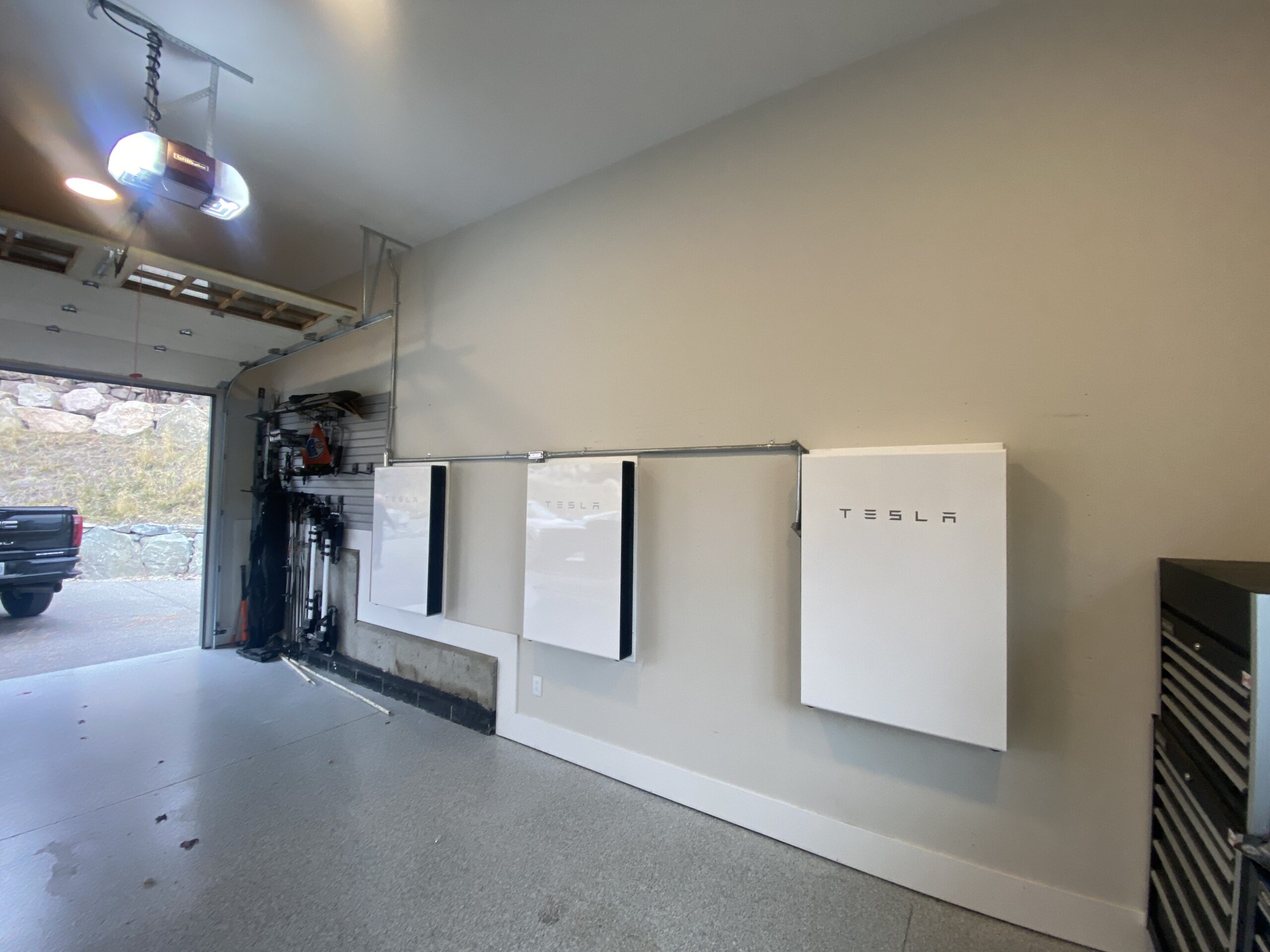
Solar panels help produce electricity. Batteries help store energy and support the home when the grid is unavailable or when stored power is more useful than exporting electricity.
That matters in a state where storms, heat waves, grid strain, and outages can turn backup power into a serious household priority.
A solar-only system may reduce electric bills. A solar-plus-battery system may reduce bills and add resilience. Those are different goals, and they come with different costs.
Homeowners considering battery backup should ask:
- Does the battery support the whole home or only essential circuits?
- Can it run the AC, or just smaller loads?
- How long can it support critical appliances?
- Can the system expand later?
- Does it work with new or existing solar?
- What does the app or monitoring system show?
The brand’s Powerwall page describes battery storage as a way to store excess solar energy for use at night, during outages, or during high utility-rate periods, with automatic backup and real-time monitoring.
That is helpful, but homeowners still need a realistic backup plan. A battery is powerful, but it is not magic. Runtime depends on battery size, home loads, weather, and how much electricity the family uses during an outage.
Are Solar Tax Credits Still Available?
This section needs careful handling because tax information has changed.
The IRS states that the Residential Clean Energy Credit equals 30% of qualified clean energy property costs for systems installed from 2022 through December 31, 2025, and that the credit is not available for property placed in service after December 31, 2025.
That means homeowners shopping in 2026 should not assume the old residential federal solar tax credit still applies to a newly installed customer-owned system. Some financing structures, leases, or third-party ownership models may work differently, but that depends on the contract and current rules.
Texas incentives also vary by utility, city, and provider. DSIRE describes itself as a comprehensive source for renewable energy and efficiency incentives and policies in the United States, which makes it a useful place to check current state and local programs.
The safe advice is simple: check current incentive rules before signing, and speak with a tax professional before making tax-based decisions.
Cash, Loan, Lease, or PPA: Which Payment Option Makes Sense?
Solar financing can change the way the project feels.
A cash purchase often gives the cleanest long-term math because there are no interest charges. A loan can make solar easier to start, but homeowners should look closely at APR, dealer fees, monthly payments, and whether the financed price differs from the cash price.
Leases and power purchase agreements can reduce upfront cost, but they may involve third-party ownership. That can affect tax benefits, contract terms, home sale steps, and long-term savings.
The Federal Trade Commission advises consumers to understand whether they are buying a system, leasing it, or purchasing power through an agreement before signing, and it warns against pressure tactics and misleading “free solar” claims.
A good rule: if the payment plan sounds easier than the explanation, pause.
The financing should be clear enough that a homeowner can explain it at dinner without needing a whiteboard.
What Most Homeowners Get Wrong About Solar Cost
Many homeowners look for the lowest number first. That is understandable. Nobody wants to overpay.
But solar is a long-term home energy system. A cheap design that produces poorly, lacks support, or fails to address backup needs can become expensive in slow motion.
Here is the better way to think about it.
Do This
- Compare cost per watt.
- Review annual production estimates.
- Ask about roof and shade assumptions.
- Check warranty length and service process.
- Understand financing terms.
- Ask what happens after installation.
- Discuss battery backup honestly.
Not That
- Choose by monthly payment only.
- Assume all panels perform the same.
- Ignore roof age.
- Skip the utility interconnection question.
- Accept vague savings claims.
- Sign under pressure.
- Believe “free solar” without reading the contract.
Solar should feel clear before it feels exciting. Clarity protects the homeowner.
A Familiar Texas Scenario
Imagine a homeowner in Katy or Cypress. The home has strong afternoon sun, two AC units, and summer bills that make everyone suddenly interested in turning off lights.
At first, the homeowner wants the lowest solar panel installation cost. Fair enough.
Then the conversation gets more specific.
The roof has good space, but one section gets shade from a mature tree. The electrical panel may need review. The family wants the refrigerator, Wi-Fi, lights, and one comfort zone supported during outages. They may add an EV in two years.
Now the “best” system is not the cheapest system. It is the system that fits the next decade of that home.
That is where good solar design earns its keep.
How to Request a Better Solar Quote
Homeowners can save time and avoid confusion by preparing a few details before asking for a solar panel quote Texas installers can price accurately.
Use this quick checklist:
- Gather 12 months of electric bills, if available.
- Know the roof age and any repair concerns.
- List major loads, such as AC units, pool pumps, EV chargers, and electric water heaters.
- Decide whether backup power matters.
- Think about which loads should run during an outage.
- Ask for both solar-only and solar-plus-battery options if undecided.
- Request the cash price and financed price separately.
- Ask who handles permits, inspection, and utility approval.
A serious installer should welcome these questions. They lead to a better design.
Why Installer Quality Matters
Solar is not only an equipment purchase. It is a design, construction, electrical, and service project.
A good installer should explain the system without making the homeowner feel small. They should discuss tradeoffs. They should admit when a home is not a perfect fit. They should talk about roof condition, shade, battery limitations, financing details, and warranties before the contract is signed.
That is how trust is built.
The strongest solar companies do not rush the homeowner toward a signature. They slow the process down just enough to make sure the system makes sense.
Final Thoughts: The Right Solar Price Is the One That Still Feels Smart Later
The question “How much does it cost to install solar panels in Texas?” deserves more than a quick answer.
A real answer looks at the home, the roof, the electric bill, the family’s outage concerns, the equipment, the warranty, and the payment method. It explains the difference between lower upfront cost and better long-term value.
For some homeowners, a straightforward solar system may be enough. For others, solar plus battery backup may be the better fit. And for a few homes, the right move may be fixing the roof, trimming shade, or waiting until the numbers make more sense.
That kind of honesty matters.
In the end, Install solar panels cost is not just about what a homeowner pays on installation day. It is about what the system gives back over the years: lower bills, more control, better resilience, and a home that feels a little more prepared for whatever Texas weather decides to do next.
For Houston-area homeowners ready to compare solar and battery options, GPT Energy INC can be reached at info@gptenergy.com or 713-913-1554 for a consultation.