Introduction
The first sign that a house needs a smarter energy plan is rarely dramatic. It is usually small.
A flicker during dinner. A summer bill that looks like it came with a typo. A storm warning that makes everyone quietly check their phone battery. Then the same thought shows up again: “There has to be a better way to power this home.”
That better way is not simply buying panels. A well-designed home solar system works like a tailored suit. It has to fit the house, the people inside it, the roof, the weather, the budget, and the backup power goals. In 2026, that matters more than ever because homeowners are no longer asking only, “Can solar lower my bill?” They are asking, “Can solar help my home stay comfortable, prepared, and less dependent on the grid?”
That shift is real. The U.S. Energy Information Administration says developers plan to add 43.4 GW of new utility-scale solar capacity in 2026, with Texas expected to account for 40% of planned new utility-scale solar additions. That does not tell a homeowner what to install on a roof, but it does show where the energy market is heading. Solar is no longer a fringe idea. It is becoming part of how homes, utilities, and communities plan for the future.
Key Takeaways
- A home solar system should start with energy usage, not panel count.
- Battery backup design depends on which appliances must run during outages.
- Roof shape, shade, inverter capacity, and utility rules all affect performance.
- The smartest solar setup balances savings, resilience, safety, and long-term service.
Why Home Solar Design Feels Confusing at First
Most homeowners begin with the same question: “How many panels do I need?”
It is a fair question, but it is not the first one a good solar designer asks.
The better starting point is: “What does this home actually need to do?”
A home with gas heat, modest air conditioning use, and no EV charger has a very different energy profile than an all-electric Houston-area home with two HVAC units, a pool pump, smart appliances, and a garage charger. Square footage helps, but it never tells the full story. Two houses can look identical from the curb and use electricity completely differently.
A proper solar system design reviews:
- Monthly electricity usage
- Peak appliance loads
- Roof direction and usable roof space
- Shade from trees, chimneys, dormers, and nearby structures
- Battery backup goals
- Inverter type and capacity
- Utility interconnection rules
- Future needs such as EV charger integration
The U.S. Department of Energy recommends that homeowners investigate energy efficiency before planning a solar electric system because reducing wasted energy can lower the size and cost of the system needed.
That advice may sound boring, but it is the kind of boring that saves money. A home that fixes attic insulation, air leaks, or inefficient loads before sizing solar may need fewer panels and less battery capacity.
What Is a Home Solar System?
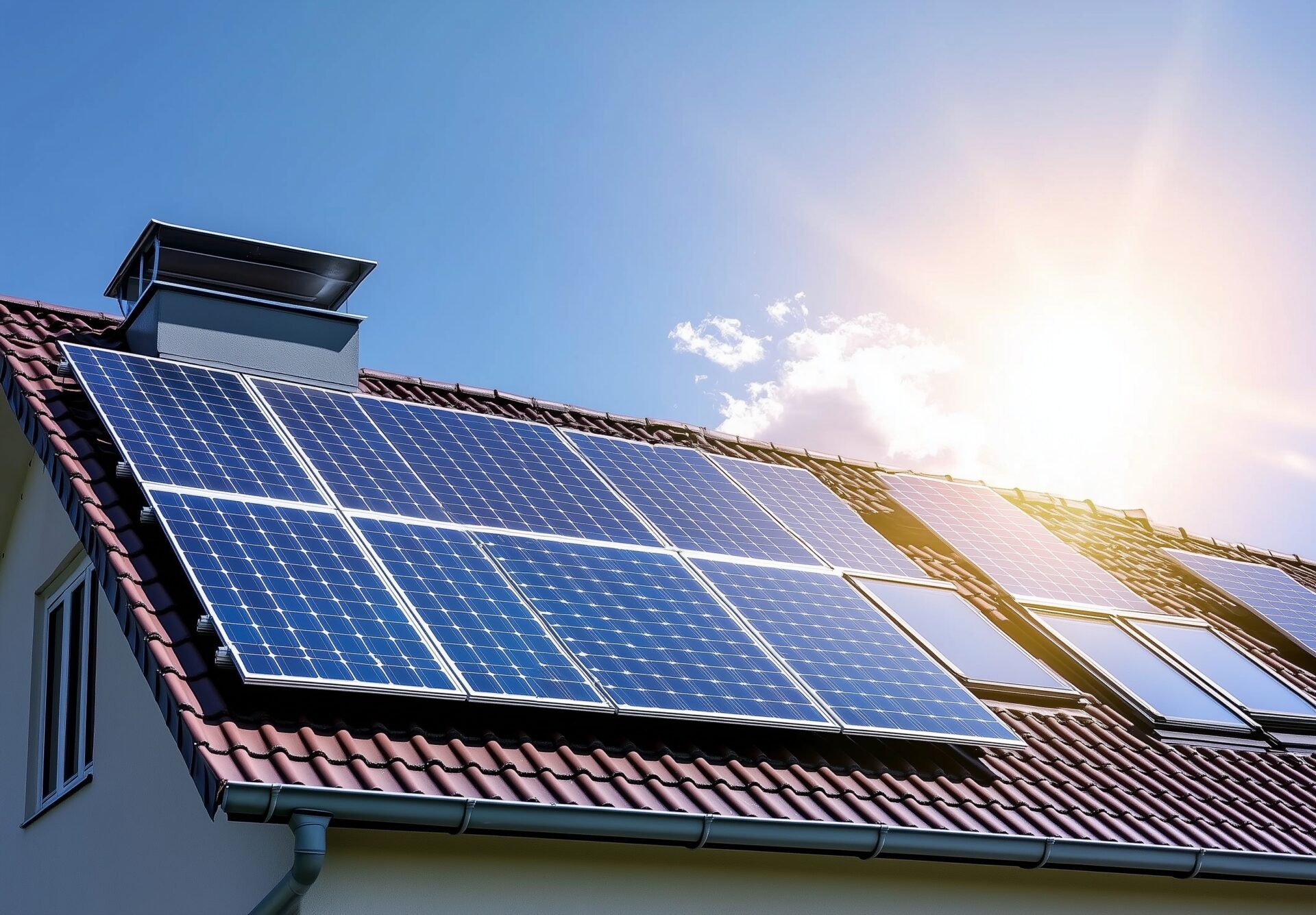
A home solar system is a residential energy setup that uses solar panels to convert sunlight into electricity, sends that power through inverter equipment, and supplies usable electricity to the home. When battery storage is included, the system can also store extra energy for nighttime use, cloudy periods, or outage support.
A complete system may include:
- Solar panels
- Roof or ground mounting equipment
- String inverter, microinverters, or hybrid inverter
- Battery storage
- Smart panel or critical load panel
- Monitoring system
- Utility meter and interconnection equipment
- Electrical safety components
Solar panels get the attention, but they are only one part of the system. The Department of Energy explains that photovoltaic modules generate electricity, while other technologies are needed before that electricity becomes useful for a home or business.
Think of it like a kitchen. The panels are the stove, but the wiring, inverter, storage, monitoring, and service panel are the counters, plumbing, outlets, and pantry. Leave one piece out and the whole room gets awkward fast.
The 5-Part Method for Designing a Home Solar System
A strong residential solar installation follows a clear path. The order matters.
1. Start With the Electric Bill
The electric bill tells the truth. It shows how much power the home uses across seasons, which is especially important in Texas where cooling loads can swing hard in the summer.
Homeowners should gather 12 months of electric bills if possible. One month is not enough. A mild spring bill will not reveal what happens in August. A holiday month with guests may not reflect normal life.
Look for:
- Monthly kWh usage
- Highest usage months
- Average daily usage
- Demand charges, if listed
- Time-of-use billing patterns
- Net metering or buyback details from the utility
This step helps answer the question behind every solar quote: should the system offset part of the bill, most of the bill, or support a solar + storage system with backup power?
2. Identify the Loads That Matter Most
A solar design in Houston, TX should separate “nice to have” loads from “must run” loads.
During a normal sunny day, the home may want everything: air conditioning, laundry, cooking, electronics, water heating, and EV charging. During an outage, the priorities may change. Most homeowners care first about the refrigerator, lights, internet, medical equipment, garage access, security, and one comfort zone.
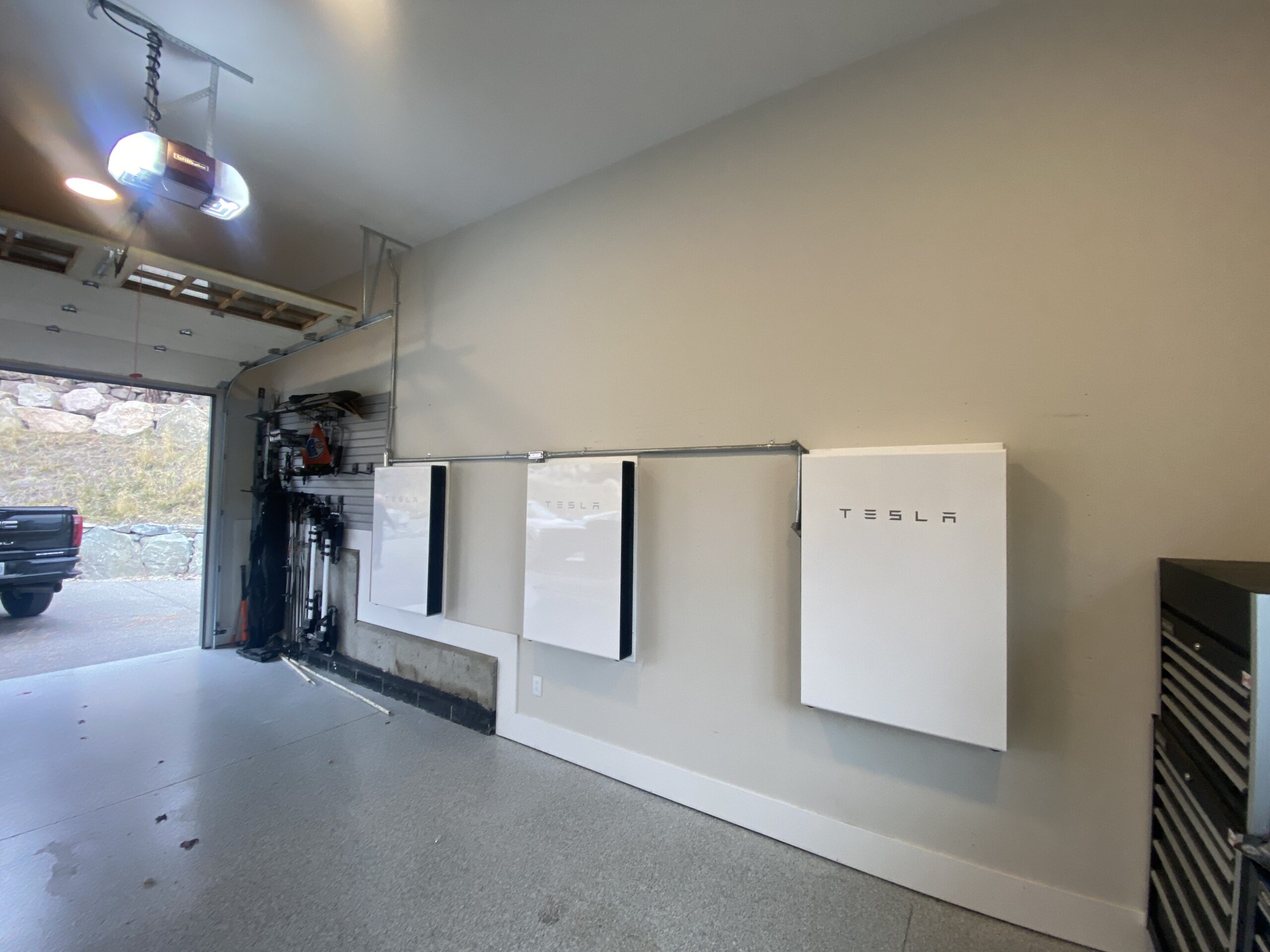
That is where battery backup planning becomes practical. Whole-home battery backup sounds simple, but no battery is magic. Backup duration depends on battery capacity and energy usage. A system powering lights and a refrigerator can last much longer than one trying to run multiple HVAC units, an oven, and a water heater at the same time.
The practical question is not, “Can this battery run my house?” It is, “What should this battery run first?”
3. Study the Roof Like a Solar Designer
A roof can look perfect from the driveway and still have problems.
Good roof analysis checks:
- Direction
- Pitch
- Shade
- Age and condition
- Usable plane size
- Obstructions
- Structural suitability
- Fire setbacks
- Code requirements
In the northern hemisphere, solar modules are often oriented south for stronger annual production, but real-world design also depends on roof layout, local sun exposure, and electrical load needs. The Department of Energy notes that PV arrays need stable, durable mounting structures that can withstand wind, rain, hail, and corrosion over decades.
For homeowners with poor roof conditions, a ground mount may make sense if there is enough land and local rules allow it. Ground mounts can offer easier panel orientation and service access, but they may add trenching, permitting, and equipment costs.
4. Choose the Right Inverter Strategy
The inverter is the system’s translator. Solar panels produce DC electricity. Most home appliances use AC electricity. The inverter makes that conversion happen.
There are three common approaches:
Inverter Type | Best Fit | Main Benefit | Watch-Out |
String inverter | Simple sunny roofs | Cost-effective and centralized | Shading can affect larger panel groups |
Microinverters | Complex roofs or shade | Panel-level performance | More equipment on the roof |
Hybrid inverter | Solar with battery storage | Supports solar, storage, and backup planning | Must be sized carefully for loads |
For homes planning solar battery backup, the inverter decision becomes even more important. A hybrid inverter can help coordinate solar production, battery charging, grid interaction, and backup loads. Smart inverter features can also support modern grid communication and system control.
5. Size Battery Storage Around Real Life
A battery should not be sized around a fantasy version of the home where nobody cooks, cools, washes, charges, or opens the fridge.
It should be sized around real life.
Battery planning should answer:
- Which circuits need backup?
- How long should backup power last?
- Will the system recharge from solar during an outage?
- Is the goal short outage support or multi-day resilience?
- Are heavy loads like HVAC, water heater, or EV charging included?
- Will smart load management turn some loads off automatically?
The Department of Energy notes that batteries allow homeowners to store solar photovoltaic energy for use at night or when weather keeps sunlight from reaching panels.
That is why modular battery storage has become so important. Some homeowners may start with essential-load backup and expand later. Others may want a larger whole-home battery backup system from the beginning.
What Size Solar System Does a Home Need?
The answer depends on usage, sunlight, equipment efficiency, and the homeowner’s goal.
A simple planning formula looks like this:
Annual electricity use ÷ expected annual solar production per kW = estimated system size
That is only a starting point. Real design also accounts for shading, panel orientation, system losses, roof limits, inverter sizing, battery charging needs, and local utility rules.
Tools can help. NREL’s PVWatts Calculator estimates energy production for grid-connected photovoltaic energy systems and helps homeowners, installers, and building owners model potential system performance.
Still, calculators do not walk the roof. They do not see the oak tree that shades the west plane every afternoon. They do not know if the homeowner plans to buy an EV next year. They do not know whether the main electrical panel needs an upgrade.
That is where professional solar consultation earns its keep.
Grid-Tied, Hybrid, or Off-Grid: Which Design Makes Sense?
Not every solar system needs to do the same job.
Grid-Tied Solar
A grid-tied system connects to the utility grid. It usually focuses on reducing electric bills. It may send extra power to the grid depending on utility policy.
Best for homeowners who want:
- Lower electricity costs
- Simpler design
- No battery backup
- Grid support when solar production drops
Hybrid Solar
A hybrid solar system connects to the grid and includes battery storage. It can support bill savings, outage backup, smart energy management, and grid independence goals.
Best for homeowners who want:
- Solar savings
- Battery backup
- Outage protection
- Energy resilience
- Future flexibility
Off-Grid Solar
An off-grid system operates without utility power. It requires more careful sizing because the system must cover energy needs without relying on the grid.
Best for:
- Remote properties
- Cabins
- Rural homes without utility access
- Homeowners who accept stricter energy planning
For most city and suburban homeowners, hybrid solar is often the practical middle ground. It gives the home a grid connection for normal life and battery support when the grid goes down.
What Most Homeowners Get Wrong
Most mistakes come from rushing the design.
Mistake 1: Chasing the Biggest System
Bigger is not always better. A well-sized system can outperform an oversized system that ignores roof limits, utility rules, or battery charging behavior.
Mistake 2: Treating Battery Backup Like a Generator
A battery does not work like a gas generator. It stores a limited amount of energy. If the home burns through that energy quickly, backup time shrinks. Smart load management helps stretch battery life by prioritizing essential circuits.
Mistake 3: Ignoring the Main Electrical Panel
Many older homes were not built with modern solar, batteries, EV charging, and smart energy equipment in mind. The electrical panel may need upgrades before the system can safely support the homeowner’s goals.
Mistake 4: Forgetting Future Loads
A system designed for today may feel undersized tomorrow if the homeowner adds an EV, heat pump, pool equipment, workshop, or home addition. A good design leaves room for life to change.
Mistake 5: Building the ROI Around Outdated Incentives
Solar incentives, utility buyback rates, and tax rules can change. The IRS states that qualified residential clean energy property may include solar electric panels and battery storage technology, but homeowners should confirm current eligibility with a tax professional before making financial assumptions.
Why Houston Homeowners Think Differently About Solar
Houston homeowners do not evaluate solar in a vacuum. They think about heat, storms, outage risk, rising demand, and long cooling seasons.
Texas is already a major solar market. SEIA reports that Texas has 51,902 MWdc of solar installed, enough solar to power 6,228,012 homes.
That does not mean every Houston home is automatically a good solar candidate. Some roofs are shaded. Some homes need roof work first. Some homeowners use too little electricity to justify a large system. Others need battery storage more than panel count because their main concern is backup power.
This is why a good solar company should sound less like a salesperson and more like a careful energy planner.
A Practical Homeowner Scenario
Imagine a Houston family with a two-story home, central air, a deep freezer in the garage, security cameras, a home office, and one EV.
Their first request may be simple: “We want solar and backup.”
A weak design would throw a panel count and battery price at them.
A better design would ask:
- How much electricity does the home use each month?
- Which rooms need cooling during an outage?
- Does the EV need backup charging or only solar charging during normal days?
- Does the home need a main panel upgrade?
- Would a smart panel help prioritize loads?
- Is the roof ready for 25 years of solar service?
From there, the system may include high-efficiency solar panels, a hybrid inverter, battery storage, real-time energy analytics, and a monitoring app. The family does not just get equipment. They get a plan.
Solar Cost and ROI: What to Understand Before Signing
Solar pricing depends on system size, roof complexity, equipment quality, battery capacity, electrical upgrades, permitting, and financing.
The best way to compare quotes is not by total price alone. Compare:
- Cost per watt
- Equipment specifications
- Warranty terms
- Workmanship coverage
- Battery capacity
- Backup load design
- Monitoring features
- Service response
- Permitting and utility handling
- Upgrade needs
A cheaper system can become expensive if it underserves the home, uses mismatched equipment, or ignores service support. A premium system can be worth it when it improves performance, backup reliability, and long-term ownership.
The goal is not to buy the lowest quote. The goal is to buy the right design.
Where a Professional Design Adds Value
Professional design helps connect the dots that homeowners cannot always see from product pages.
A good solar evaluation should include:
- Usage analysis
- Roof and shade review
- System production modeling
- Inverter and battery planning
- Backup load discussion
- Utility interconnection review
- Permitting guidance
- Monitoring and support planning
Final Thoughts: Design the System Around the Life Inside the House
A home solar system is not just a roof project. It is a home comfort project, a backup power project, a long-term savings project, and sometimes a peace-of-mind project.
The right design begins with honest questions. What does the home use? What must stay on during an outage? What does the roof allow? What does the utility permit? What does the budget support now, and what might need to expand later?
When those answers guide the system, solar stops feeling like a pile of equipment. It becomes a practical energy plan for the way people actually live.
Ready to turn your roof into a smarter energy plan? Contact GPT Energy Inc. for a custom solar and battery consultation built around your home, your usage, and your backup power goals. Call 713-913-1554 or email info@gptenergy.com to get started.