Introduction
The lights do not ask whether your paperwork is in order before they go out.
That is the strange place many Houston homeowners now find themselves. They want backup power, they are looking at Tesla Powerwall 3, and somewhere between the quote, the tax conversation, and the installation calendar, someone says, “You may need to ask about Safe Harbor.”
Then the room gets quiet.
Safe Harbor sounds reassuring, like a dock in a storm. In clean energy tax language, though, it is less about comfort and more about proof. It usually deals with timing, ownership, documentation, and whether a project meets a rule before a deadline changes. For a homeowner, that means the battery is only one piece of the story.
Key Takeaways
- Safe Harbor is not a product label. It is a tax and documentation concept.
- Powerwall 3 can be part of a qualifying project, but eligibility depends on the credit, owner, timing, and paperwork.
- Residential battery credit rules changed after 2025, so 2026 buyers need extra clarity.
- Houston homeowners should confirm incentive claims with a tax professional before relying on them.
What Does Safe Harbor Mean for a Home Battery Project?
Safe Harbor generally means a project has met a recognized requirement that may preserve eligibility under a tax rule, even if the final installation or placed-in-service date happens later. It is common in clean energy conversations because tax credits can change, and projects do not always move as fast as homeowners hope.
For Tesla Powerwall 3 Safe Harbor, the important point is simple:
A battery does not qualify by itself. A project may qualify if it meets the right rule, at the right time, with the right documentation.
That difference matters. Tesla describes Powerwall 3 as a fully integrated solar and battery system with an integrated solar inverter. Tesla also says it can support whole-home backup, energy savings, and grid-service participation after installation. The official datasheet describes Powerwall 3 as supporting up to 20 kW DC of solar and up to 11.5 kW AC continuous power per unit.
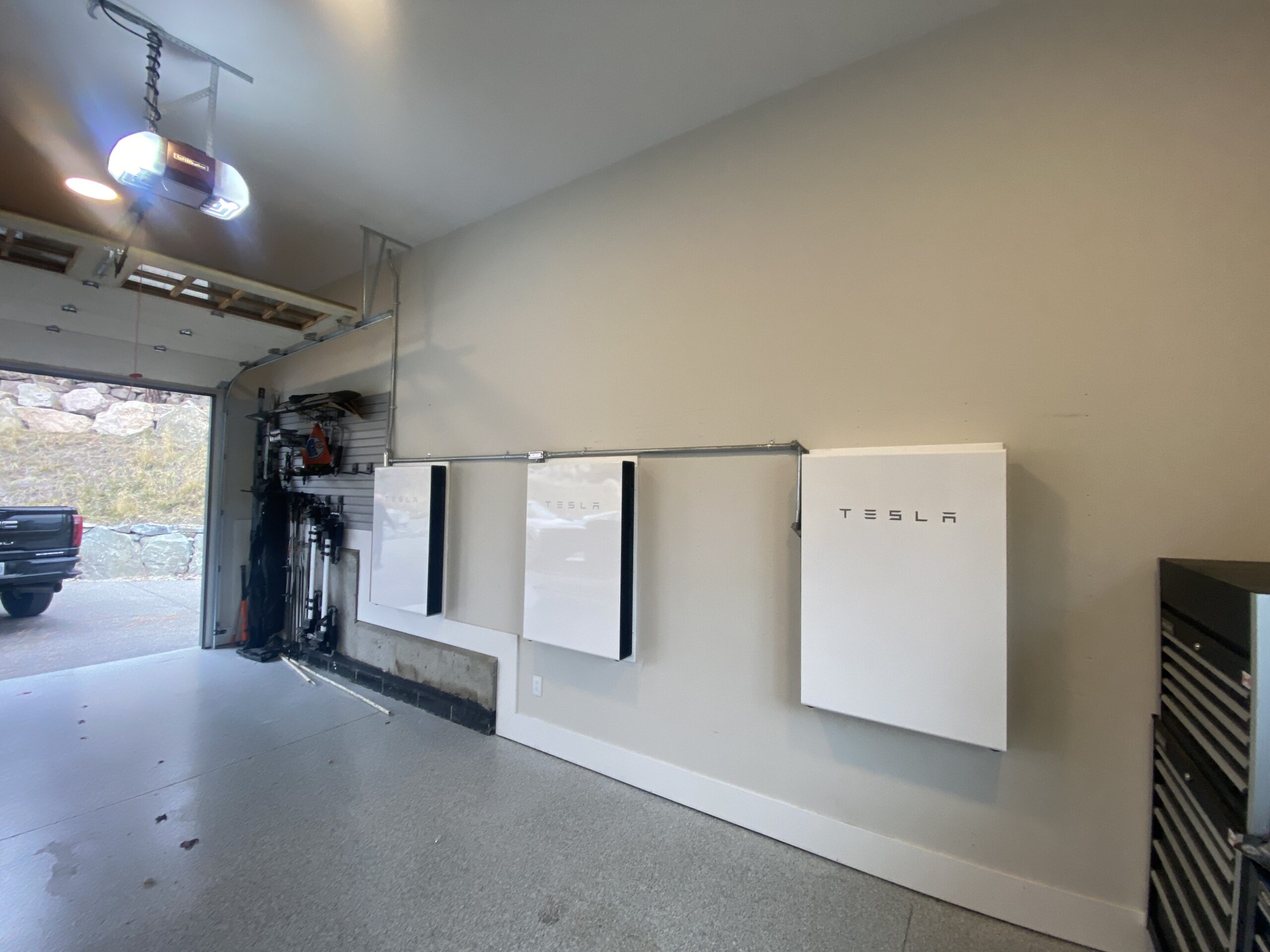
So yes, the equipment is serious. But Safe Harbor is not decided by how polished the hardware looks on the garage wall.
Is Tesla Powerwall 3 Qualified for Safe Harbor?
The careful answer is: Powerwall 3 may be included in a project that meets Safe Harbor rules, but the product itself is not automatically “Safe Harbor qualified.”
That may sound like splitting hairs, but in tax language, hairs get split for a living.
A homeowner-owned battery project is not treated the same as a third-party-owned solar-plus-storage system, a leased system, a commercial storage project, or a business-owned installation. Different credits may apply. Different dates may matter. Different documentation may be required.
The IRS says the Residential Clean Energy Credit is not available for property placed in service after December 31, 2025. That makes 2026 planning more complicated for homeowners who assumed the old residential battery credit still worked the same way.
For 2026, the better question is not only, “Does Powerwall 3 qualify?” It is:
Which incentive is being discussed, who owns the system, and what proof supports the claim?
That question keeps homeowners out of trouble.
Why Houston Homeowners Should Care Now
Houston is not a casual energy market. Heat, storms, grid stress, and long outage memories all shape how people think about backup power. A battery is not just a gadget here. It can be the difference between “we are fine” and “how long has the fridge been off?”
The local process matters too. CenterPoint Energy explains that connecting solar panels to the grid must be done safely so electricity can integrate with existing infrastructure while protecting customers, utility personnel, and others.
That means a proper Tesla Powerwall 3 installation in Houston, TX is not just mounting equipment. It may involve system design, permitting, inspection, utility interconnection, equipment documentation, and backup configuration. If a tax question comes up later, those records become part of the homeowner’s defense.
Benjamin Franklin is often quoted as saying, “An investment in knowledge always pays the best interest.” That line fits here. A homeowner who understands the paperwork before signing is usually in a better position than one who asks questions after the deadline has passed.
The 4-Part Safe Harbor Test Homeowners Should Ask About
Before anyone treats a Powerwall 3 tax credit or Safe Harbor claim as reliable, use this simple framework.
- Ownership: Who owns the battery and solar system?
- Credit type: Is this a residential credit, commercial ITC, lease structure, rebate, or utility program?
- Timing: When was the contract signed, when was equipment paid for, and when was the system placed in service?
- Documentation: Are invoices, serial numbers, permits, inspection records, and interconnection approvals saved?
That is the clean way to think about it. Not emotional. Not rushed. Just facts.
The IRS and U.S. Department of the Treasury have also issued 2026 guidance on prohibited foreign entity material assistance rules for certain energy tax credits, including energy storage technologies under Sections 45Y, 48E, and 45X. The IRS noted interim safe harbor guidance for determining material assistance cost ratios and related restrictions.
For many homeowners, that level of tax detail is more than they want to read with coffee. Fair enough. The practical takeaway is this: the newer the incentive conversation, the more important the paper trail becomes.
Safe Harbor, Tax Credit, Rebate, and Certification Are Not the Same Thing
A lot of confusion starts because these terms get tossed into one bucket. They should not be.
Term | What it Means | What Homeowners Often Assume | What to Check |
Safe Harbor | A tax-timing or documentation pathway | The battery is automatically approved | Which project rule applies |
Residential Clean Energy Credit | A homeowner tax credit for eligible property | It works the same in 2026 | IRS placed-in-service rules |
Commercial ITC / 48E | A business or third-party project credit | It applies to every home battery | Who owns and claims the system |
Battery rebate | A direct incentive or reward program | It is the same as a tax credit | Deadlines, registration, payout terms |
UL certification | Safety and interconnection compliance | It proves tax eligibility | Which certifications the equipment carries |
Tesla’s certification directory lists Powerwall 3 under product certifications including UL 1741 and UL 9540, with Intertek shown as the Nationally Recognized Testing Laboratory for those listings.
That is good trust-building information for safety and installation planning. It is not the same as a tax ruling.
What Most People Get Wrong About Powerwall 3 Eligibility
The first mistake is thinking “qualified equipment” and “qualified project” mean the same thing. They do not.
The second mistake is treating a quote like a tax document. A quote can help estimate the tesla powerwall 3 price, but it may not prove Safe Harbor, placed-in-service timing, ownership, or credit eligibility.
The third mistake is asking the installer to act like a tax advisor. A qualified installer can help with system details, invoices, model numbers, serial numbers, inspection records, and interconnection milestones. A licensed tax professional should review the tax claim.
The fourth mistake is waiting too long. Houston permitting, utility review, equipment scheduling, and installation calendars can all create delays. Nobody wants to learn in December that the missing document was the one that mattered.
A Practical Houston Scenario
Picture a homeowner in Cypress with rooftop solar, one large HVAC unit, a home office, and a freezer full of groceries. The family wants battery backup before peak storm season. They also want to know whether any home battery storage tax credit or rebate can reduce the final cost.
A rushed answer would focus only on the battery.
A better answer starts with the home:
- What loads need backup?
- Does the home need whole-home battery backup or selected critical loads?
- Is the battery being added to existing solar or installed with a new solar-plus-storage system?
- Who will own the system?
- Is the homeowner buying, financing, or leasing?
- What deadlines apply to any incentive being discussed?
- What documentation will be available after installation?
That is how a real project gets built. Not from a buzzword. From a careful match between the home, the equipment, and the rules.
Documentation Checklist Before You Sign
Before moving ahead with Powerwall 3, homeowners should ask for a clear paperwork plan.
- Written scope of work
- Battery model and quantity
- Solar integration details
- Backup equipment details
- Electrical panel notes
- Permit responsibility
- Utility interconnection steps
- Invoice and payment records
- Product serial numbers
- Inspection and activation records
- Placed-in-service date
This checklist will not create eligibility on its own. But missing records can make a valid claim harder to support.
What About Rebates in 2026?
Battery storage incentives can come from several places: manufacturers, utilities, grid-service programs, state programs, or project ownership structures. Tesla’s 2026 incentive guidance points homeowners toward state programs, utility incentives, grid services, and lease options after the residential federal credit sunset.
That is why homeowners should separate “rebate” from “tax credit.” A rebate may require registration, product activation, proof of purchase, app verification, or installation by a certain deadline. A tax credit may depend on federal rules, ownership, and filing documentation.
Same home. Same battery. Different rulebook.
Is Powerwall 3 Still Worth Considering in 2026?
For many Houston homeowners, yes, but the reason should be bigger than a credit.
Powerwall 3 may be worth considering when the home needs backup power, solar storage, better energy visibility, and a cleaner alternative to running a fuel generator during an outage. Tesla’s site says Powerwall can store energy for later use and help power the home during outages, at night, or during high utility-rate periods.
The value depends on the home. A family backing up medical devices, refrigeration, Wi-Fi, lights, and a few comfort loads may think about battery storage very differently than someone trying to run every appliance as if the grid never went down.
That is where design matters. Battery backup for solar panels should start with the loads, not the brochure.
Final Answer: Does Powerwall 3 Qualify?
Tesla Powerwall 3 can be part of a Safe Harbor-eligible or incentive-eligible project, but the battery is not automatically qualified on its own. The answer depends on the specific tax credit or rebate, ownership structure, project timing, documentation, domestic content or FEOC rules where applicable, and professional tax review.
For Houston homeowners, the smartest move is calm and practical: design the system correctly, document every step, and verify incentive claims before depending on them.
For a local quote and system review, contact GPT Energy INC at 713-913-1554 or info@gptenergy.com. The company’s website describes its Houston-area work around solar installation, whole-home battery backup, energy storage consulting, permitting support, and homeowner education.