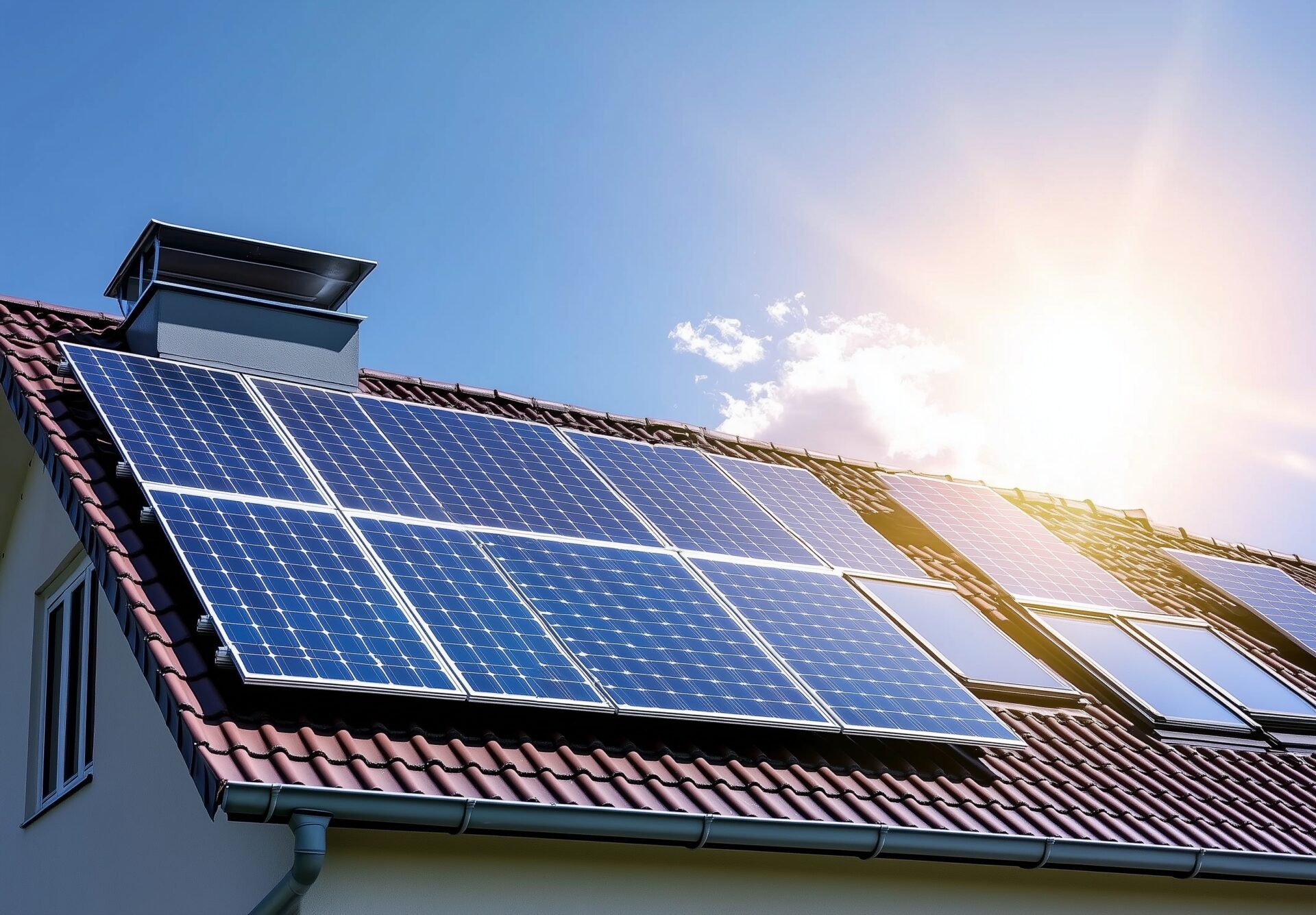
How many solar panels will fit on your roof? It’s a question that comes up early for anyone considering solar energy. With electricity prices climbing and growing concern for the environment, understanding your solar needs is more relevant than ever. This guide explains how to determine the right solar panel setup for your home.
Figuring Out Your Solar Panel Needs
The number of solar panels you’ll need depends on several connected factors. Most American homes typically require 15–22 solar panels to offset 100% of their electricity usage. However, your exact number will vary based on energy consumption, location, roof characteristics, and panel efficiency.
Solar panels convert sunlight into electricity, but their performance depends on several key factors. Understanding these variables helps you design an efficient system with a trusted solar solutions provider in Houston, TX that meets your household’s energy needs while maximizing efficiency and long-term return on investment.
The Simple Formula to Calculate Your Solar Panel Requirements
You don’t need complex math to estimate your solar needs. Use this straightforward formula:
Number of Panels = Annual Electricity Usage (kWh) ÷ Production Ratio ÷ Panel Wattage (kW)
Annual Electricity Usage
Your annual electricity usage is measured in kilowatt-hours (kWh). The average U.S. household uses about 10,791 kWh per year, but this can vary widely.
To calculate your usage accurately, review your last 12 months of electricity bills and total the kWh values. This accounts for seasonal changes and provides the most reliable baseline.
Solar Panel Output
Modern residential solar panels usually produce 400–450 watts per panel.
- Higher wattage panels generate more electricity per panel
- Fewer panels are needed when using higher wattage models
In 2025, 450-watt panels are the most common choice due to their strong efficiency-to-cost ratio.
Production Ratio
The production ratio reflects how much sunlight your location receives and how efficiently your system converts it into usable power.
Typical U.S. production ratios range from 1.1 to 1.7:
- Southwest (CA, AZ): 1.5–1.7
- Midwest & Southeast: 1.3–1.5
- Northeast: 1.1–1.3
A higher ratio means fewer panels are required to generate the same energy.
Key Factors That Determine Your Solar Panel Count
Available Roof Space
A standard solar panel measures approximately 5.5 ft × 3 ft (≈18 sq ft).
- 15–20 panels require roughly 300–400 sq ft of usable roof space
- Chimneys, vents, skylights, and shaded areas reduce usable space
Sunlight Exposure
Solar performance depends heavily on sun exposure:
- Southwest U.S.: ~5.75 peak sun hours/day
- Northern states: ~3.5–4 peak sun hours/day
South-facing roofs receive the most consistent sunlight in the Northern Hemisphere. East- and west-facing roofs can also work but may require additional panels.
Energy Consumption Habits
Homes with high electricity usage—such as those with electric heating, air conditioning, pools, or EV chargers—require larger systems.
If you plan to add energy-intensive appliances or an electric vehicle in the future, factor this into your system size now to avoid costly upgrades later.
Roof Condition and Orientation
Your roof should have 15–20 years of life remaining before installing solar panels. Roof pitch and orientation affect efficiency, with angled installations optimized for year-round sunlight providing the best results.
How to Calculate How Many Solar Panels Can Fit on Your Roof
- Measure sun-exposed roof sections (length × width)
- Subtract space for vents, edges, and safety clearances
- Divide usable square footage by 18 sq ft per panel
This provides a realistic estimate of the maximum number of panels your roof can support.
Common Solar System Sizes and Panel Requirements
| System Size | Number of 450W Panels | Estimated Annual Production | Required Roof Space |
|---|---|---|---|
| 4 kW | 9 panels | ~6,000 kWh | 162 sq ft |
| 6 kW | 14 panels | ~9,000 kWh | 252 sq ft |
| 8 kW | 18 panels | ~12,000 kWh | 324 sq ft |
| 10 kW | 23 panels | ~15,000 kWh | 414 sq ft |
| 12 kW | 27 panels | ~18,000 kWh | 486 sq ft |
Estimates based on 450W panels and a 1.5 production ratio.
Why Professional Solar Installation Matters
Professional solar installers perform detailed site assessments, energy audits, and custom system designs. Their services typically include:
- Roof and structural evaluation
- System design and permitting
- Incentive and rebate assistance
- Quality installation and monitoring
This ensures optimal performance, compliance with local regulations, and long-term reliability.
Solar System Consultation: What to Expect
A solar consultation evaluates your property’s solar potential by analyzing:
- Electricity bills and usage patterns
- Roof condition, pitch, and orientation
- Sun exposure and shading issues
You’ll receive a proposal outlining system size, expected output, costs, incentives, and projected savings.
Maximizing Your Solar Investment
Plan for future energy needs when sizing your system. Adding panels later can be more expensive and complicated.
Understand your local net metering policy—some utilities credit excess energy fully, while others do not. This helps avoid oversizing your system.
Making Your Solar Decision
Determining how many solar panels you need means balancing energy usage, roof space, sunlight exposure, and future plans. Breaking the process into steps makes it manageable and accurate.
Solar is a long-term investment that lowers electricity bills, boosts home value, and benefits the environment. With proper planning and guidance from Professional Solar Panel Services in Houston, you can build a system that delivers value for decades.
Ready to explore solar for your home? Gather your electricity bills and schedule a consultation to unlock your roof’s full solar potential.