Introduction
In today’s fast-evolving renewable energy landscape, Integrated Energy Storage Systems (IESS) have become a cornerstone of efficient power management. As solar energy and other renewables gain traction, one of the biggest challenges remains energy intermittency the inconsistency of power supply when the sun isn’t shining or the wind isn’t blowing.
An Integrated Energy Storage System bridges this gap by storing excess energy during peak production hours and releasing it when needed, ensuring a continuous, reliable energy supply for homes, businesses, and industries.
At GPT Energy, our mission is to deliver advanced solar and storage solutions that help customers maximize efficiency, reduce costs, and achieve energy independence.
What Is an Integrated Energy Storage System?
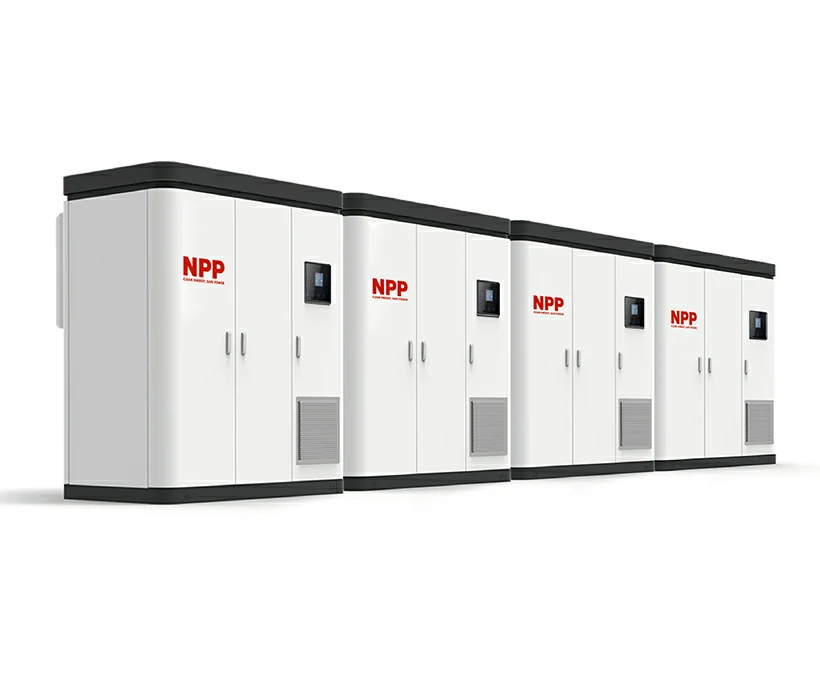
An Integrated Energy Storage System (IESS) is a combination of battery technology, inverters, controllers, and intelligent software that work together to manage, store, and distribute electrical energy efficiently.
Unlike traditional standalone batteries, integrated systems are designed to work seamlessly with renewable energy sources especially solar panel systems.
They integrate all critical components into a unified framework that:
- Captures energy from solar panels or the grid
- Stores it safely for later use
- Automatically manages the energy flow to optimize performance
How Does an Integrated Energy Storage System Work?
An Integrated Energy Storage System works by coordinating between three main energy flows generation, storage, and consumption. Let’s break it down step by step:
1. Energy Generation
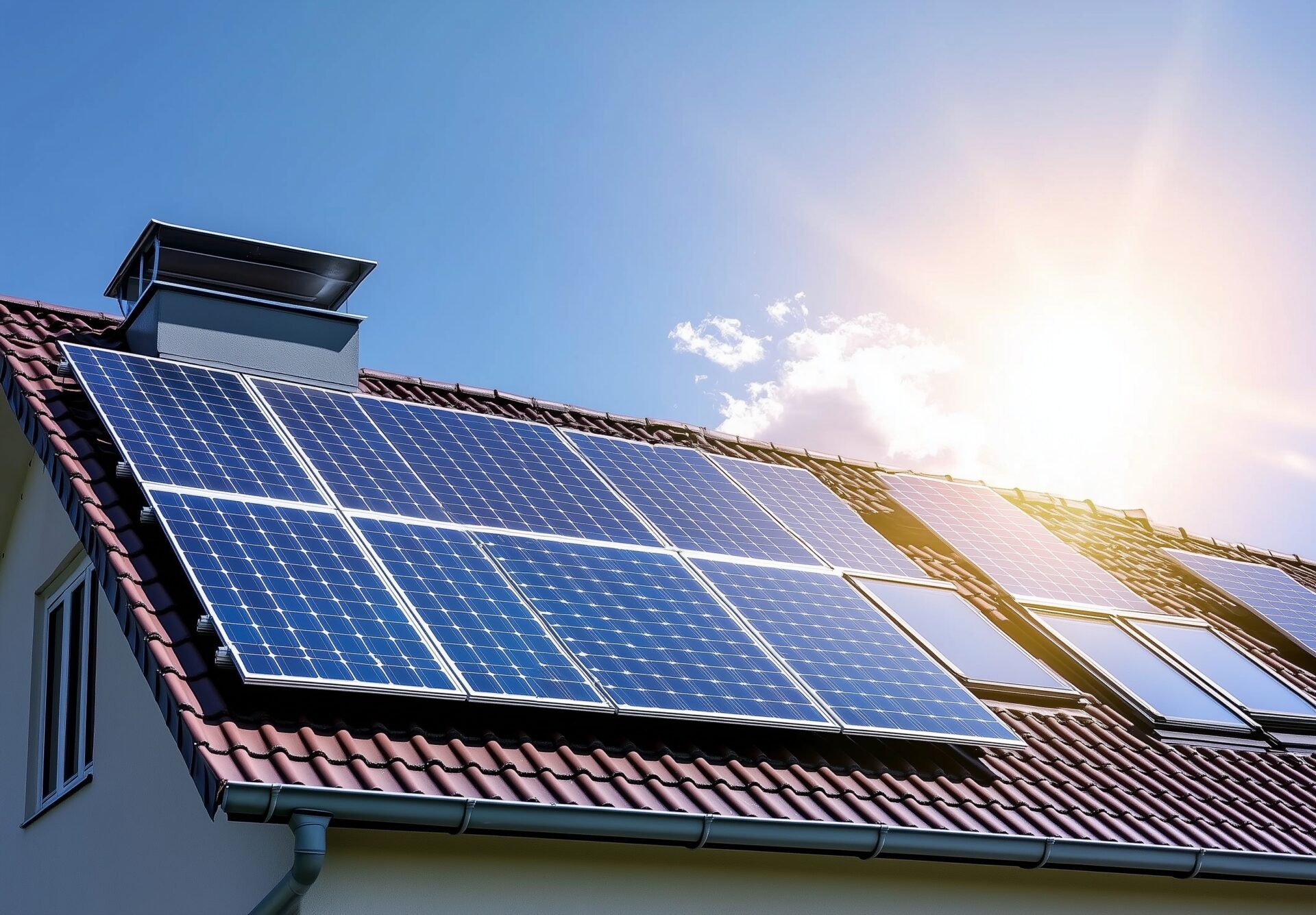
When solar panels generate electricity, the power flows into the inverter, where it’s converted from DC (direct current) to AC (alternating current) — the form of electricity used in homes and businesses.
2. Energy Storage
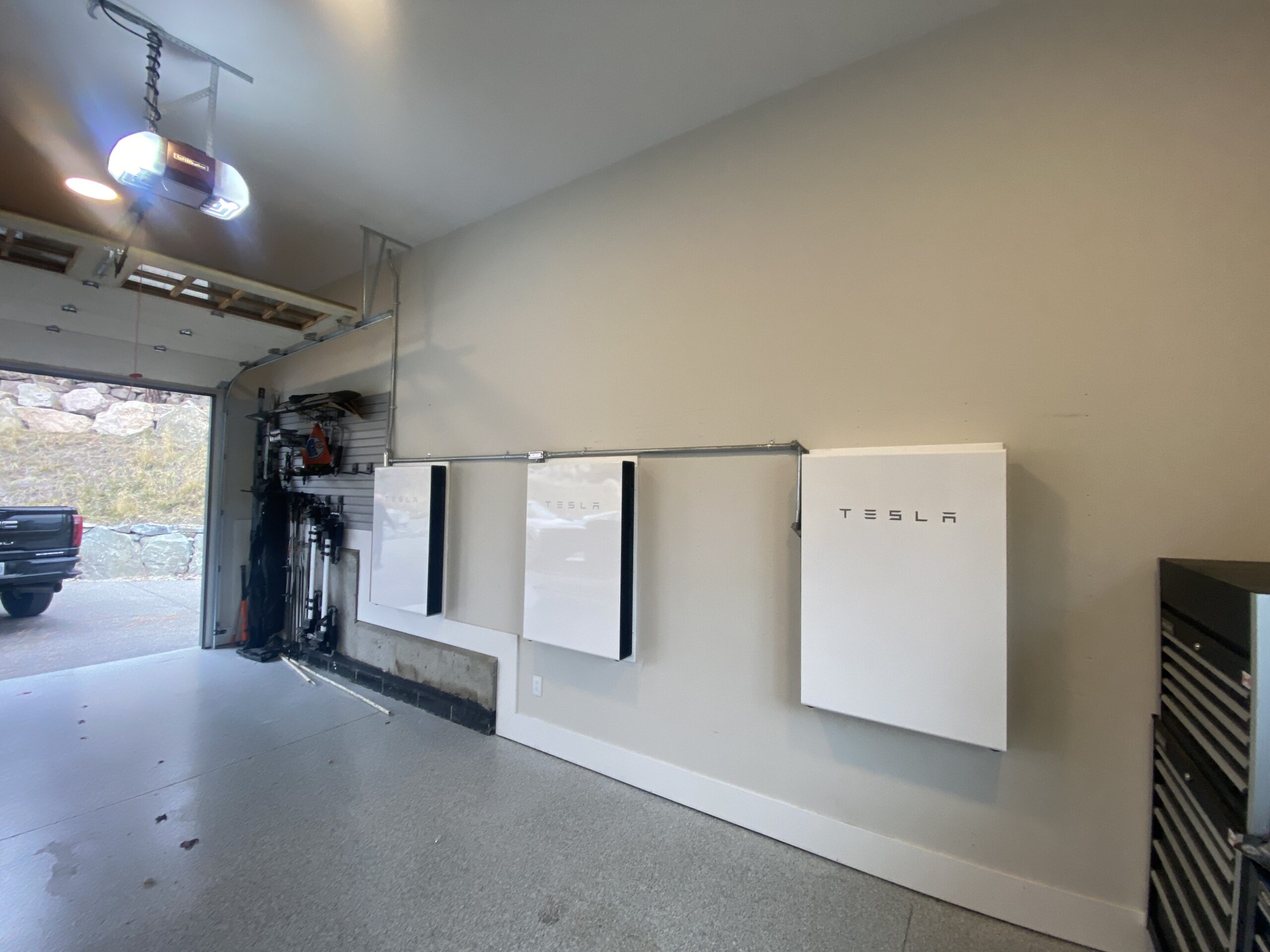
Excess power that isn’t immediately used is sent to the battery storage unit. Lithium-ion batteries are the most common in modern integrated systems due to their high efficiency and long lifespan.
3. Smart Energy Management
Here’s where the “integrated” part shines. Intelligent software monitors your energy production, consumption, and grid conditions in real-time.
This system decides when to:
- Store excess solar energy
- Draw energy from the battery
- Feed power back to the grid for credits (in areas with net metering)
4. Energy Utilization
During periods of high demand or at night, when solar panels aren’t producing power, the system releases the stored energy to maintain uninterrupted supply — reducing dependence on the grid and cutting electricity costs.
Key Components of an Integrated Energy Storage System
- Battery Pack – The heart of the system that stores energy.
- Inverter/Converter – Converts electricity between AC and DC formats.
- Battery Management System (BMS) – Ensures safe and optimal battery operation.
- Energy Management System (EMS) – Controls and optimizes energy usage automatically.
- Monitoring Software – Provides real-time data insights and remote control capabilities.
Each component works together to create a seamless, automated energy storage solution that maximizes both efficiency and reliability.
Benefits of Using an Integrated Energy Storage System
1. Enhanced Energy Efficiency
By storing excess solar energy, businesses and homeowners can minimize waste and use clean power even after sunset.
2. Energy Independence
With an Integrated Energy Storage System, you rely less on utility companies and more on your own renewable resources.
3. Cost Savings
Reduced reliance on grid electricity means lower monthly utility bills, and many users even earn credits by feeding excess power back to the grid.
4. Backup Power During Outages
When connected with solar panels, integrated systems can automatically provide backup power during blackouts ensuring critical systems stay online.
5. Sustainable and Environmentally Friendly
By maximizing the use of renewable energy, you help reduce greenhouse gas emissions and promote a greener planet.
Applications of Integrated Energy Storage Systems
- Commercial Buildings: To stabilize energy loads, reduce demand charges, and power operations during outages.
- Industrial Facilities: To ensure consistent power supply for heavy equipment.
- Residential Homes: To maximize solar power usage and lower electricity bills.
- Microgrids: To provide reliable, off-grid power in remote or rural areas.
At GPT Energy, we design and install custom solar and energy storage systems to meet the specific needs of each client whether it’s a large-scale commercial project or a residential solar setup.
The Role of Integrated Energy Storage Systems in the Future of Solar Power
The combination of solar power and energy storage marks a new era in clean energy adoption. As technology evolves, Integrated Energy Storage Systems will continue to:
- Improve grid stability
- Lower energy costs
- Increase renewable energy penetration
Advancements in AI-driven energy management, next-gen battery chemistry, and grid interconnectivity will make these systems even more efficient and affordable.
How GPT Energy Delivers Smart Integrated Energy Storage Solutions
At GPT Energy, we specialize in designing and deploying Integrated Energy Storage Systems that perfectly complement solar installations.
Our experts evaluate your energy usage patterns, facility layout, and solar potential to create a tailored storage solution that meets your energy goals.
Whether you’re looking to reduce utility costs, gain energy independence, or enhance system reliability GPT Energy provides end-to-end solar and energy storage services in Houston and surrounding Texas areas.
FAQs About Integrated Energy Storage Systems
1. What is an Integrated Energy Storage System?
It’s a smart combination of batteries, inverters, and control software that stores and manages energy from renewable sources like solar panels.
2. How long does an Integrated Energy Storage System last?
Modern lithium-ion-based systems can last 10–15 years or longer with proper maintenance.
3. Can it work without solar panels?
Yes. While it’s ideal with solar power, it can also store energy from the grid for later use, helping reduce peak-time electricity costs.
4. Are integrated systems scalable?
Absolutely. GPT Energy designs scalable systems for both small residential setups and large commercial projects.
5. What’s the maintenance requirement?
Integrated systems are largely low-maintenance, requiring periodic inspections and software updates for optimal performance.
Conclusion
The Integrated Energy Storage System is revolutionizing how we store and use energy. It ensures efficiency, stability, and cost savings while supporting the global transition toward sustainable power.
For homeowners and businesses in Houston, partnering with GPT Energy means gaining access to expert solar and energy storage solutions designed for maximum performance and reliability.
Take the next step toward energy independence.
Visit GPT Energy today to learn more about our integrated solar and storage solutions.