Power outages are no longer rare, one-off events that homeowners can ignore. In many areas, severe weather, grid strain, and aging infrastructure have made blackouts more common and more disruptive than they used to be. When the power goes out, everyday routines stop immediately. Refrigerators stop cooling, lights go out, Wi-Fi fails, air conditioning shuts down, and home security systems may lose support.
That is why more homeowners are asking a practical question: Do you need solar + battery backup during power outages?
The answer depends on your goals, your energy needs, and how much protection you want when the grid is down. For many households, solar panels paired with battery backup offer a more reliable and flexible energy solution than solar alone. If your priority is keeping essential systems running, reducing dependence on the grid, and improving peace of mind during blackouts, solar + battery backup can be a smart investment.
Understanding the Difference Between Solar and Battery Backup
Many people assume that solar panels automatically keep a home powered during an outage. That is not always true.
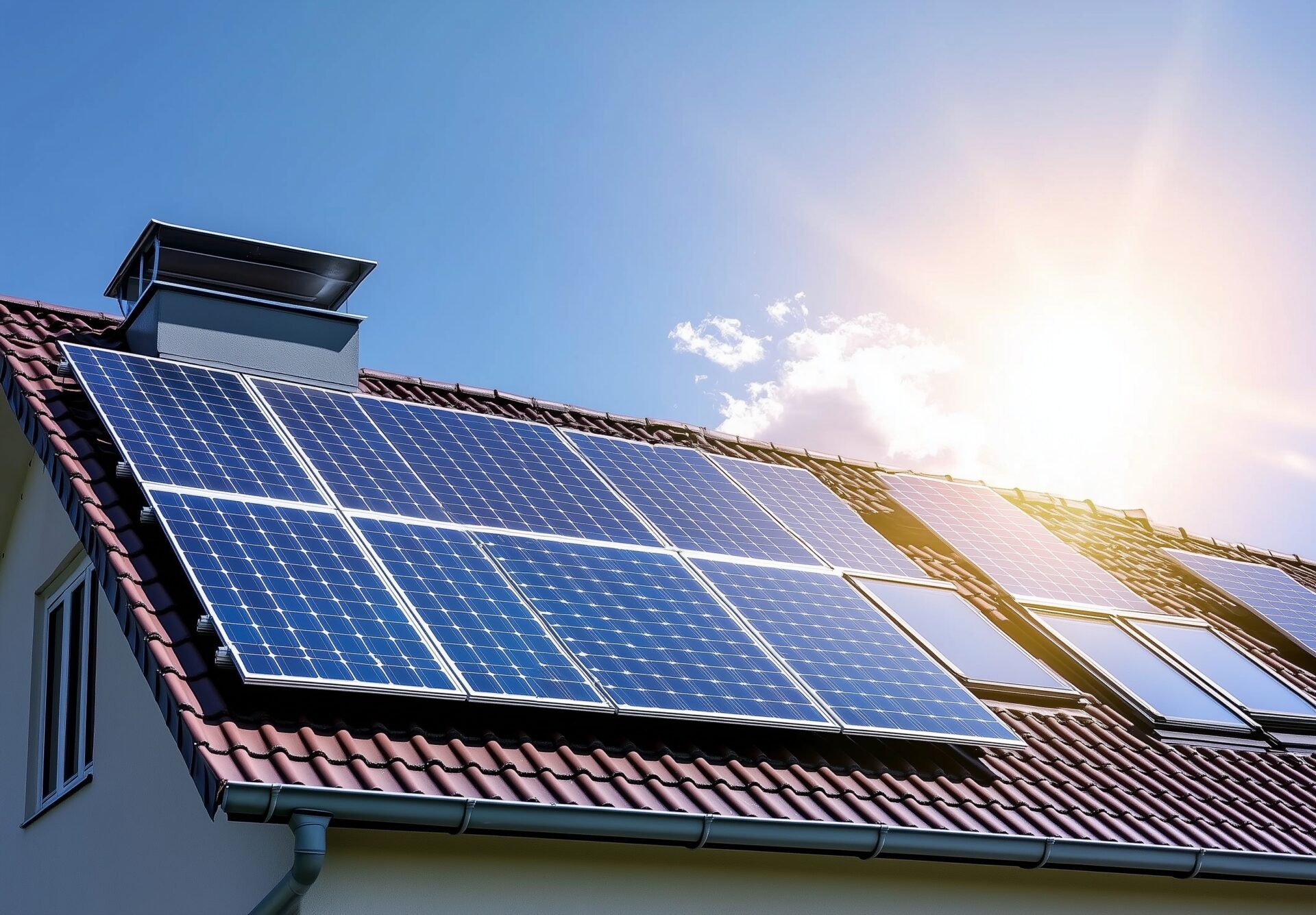
A standard grid-tied solar system is designed to shut down during a power outage for safety reasons. This protects utility workers who may be repairing power lines. So even if your roof is covered with panels and the sun is shining, your home may still lose power when the grid goes down.
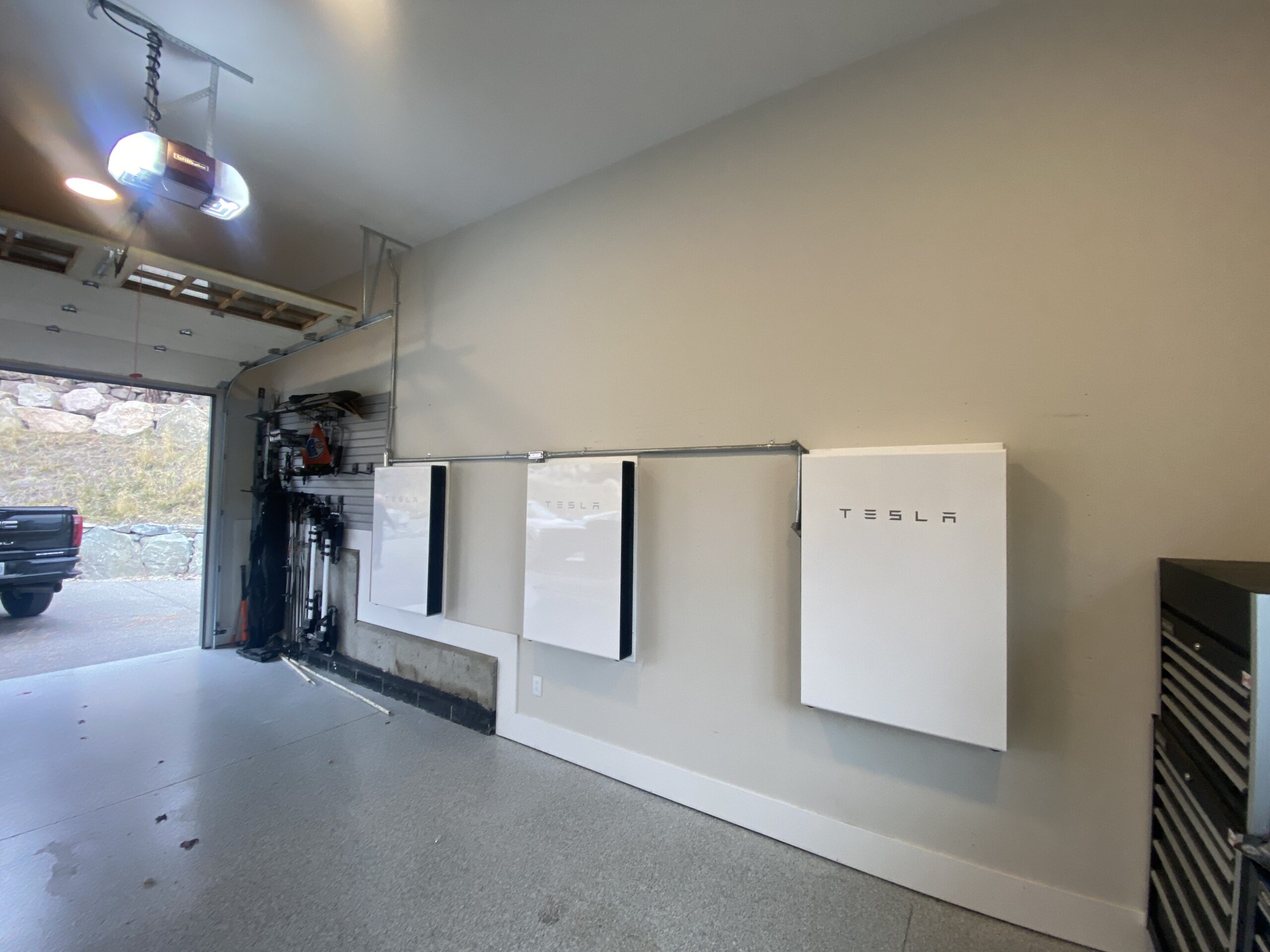
Battery backup changes that. When a battery is added to a solar system, stored energy can be used to power selected parts of the home during an outage. Depending on the size of the system, battery backup can support essentials such as lighting, refrigeration, internet, medical devices, garage doors, and sometimes air conditioning or other larger appliances.
In simple terms, solar panels generate power, and the battery stores extra power for later use. Together, they create a more resilient home energy setup.
Why Power Outages Affect Homeowners So Much
Most homeowners do not think seriously about backup power until they experience a long outage. A few hours without electricity may be frustrating. A full day or longer can become expensive, uncomfortable, and even unsafe.
Food can spoil. Phones and laptops cannot stay charged. Families may lose heating or cooling during extreme temperatures. Remote workers may miss deadlines or meetings. People who rely on medical equipment may face even greater risks. In homes with children or older adults, extended outages can quickly become stressful.
This is where solar + battery backup becomes more than a convenience. It becomes a practical tool for maintaining comfort, safety, and continuity when the grid is unavailable.
Who Should Consider Solar + Battery Backup?
Not every homeowner has the same energy needs. Some people want whole-home backup, while others only want to keep the essentials running. Still, solar + battery backup makes sense for several types of homeowners.
It is a strong option for people who live in areas where outages happen regularly or where severe weather can interrupt service. It also makes sense for households with high reliance on electricity for work, health, or home systems. If you work from home, have refrigerated medications, or simply want greater control over your energy use, adding battery backup can be a valuable upgrade.
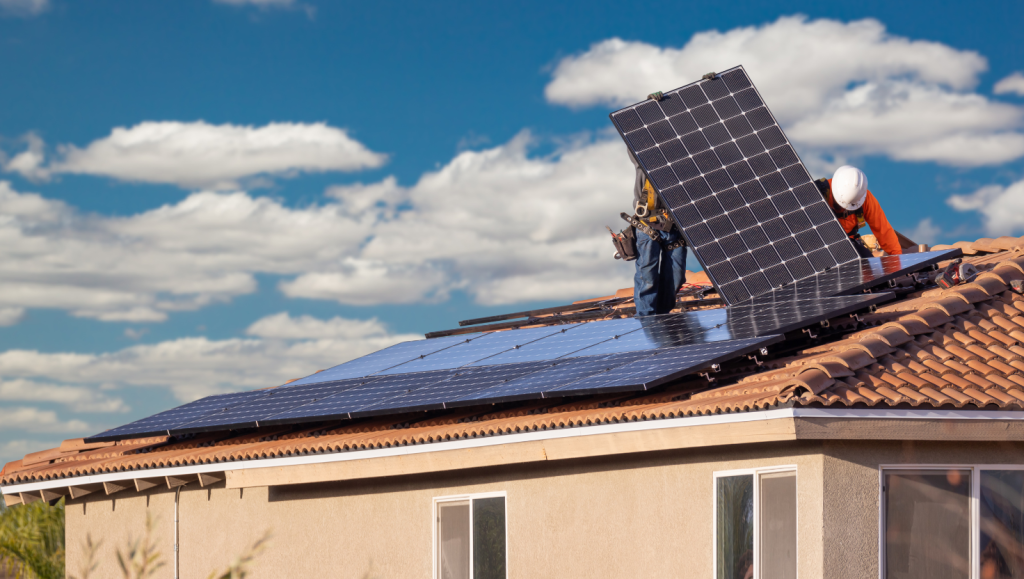
It is also worth considering for homeowners who are already planning to install solar panels. Adding battery storage at the beginning can create a more complete system and may be easier than retrofitting later.
What Happens During an Outage With Solar + Battery Backup?
When the grid goes down, a solar + battery backup system can automatically switch your home over to stored energy. Instead of losing power completely, your battery supplies electricity to the loads you have chosen to protect.
In many cases, homeowners back up a partial load rather than the entire house. This means the battery powers the most important circuits, such as kitchen outlets, lights, internet, and selected appliances. More advanced or larger systems may support broader coverage, but that depends on battery capacity and household energy demand.
If the outage happens during the day, solar panels may continue generating electricity, which can help recharge the battery and extend available backup time. That combination gives homeowners an advantage over relying on stored power alone.
Is Solar + Battery Backup Better Than a Generator?
For some homeowners, the real comparison is not solar versus nothing. It is solar + battery backup versus a generator.
Generators can still be useful, especially for short-term emergency use. However, they come with trade-offs. Many require fuel, regular maintenance, and manual setup. They can also be noisy and produce emissions. Some homeowners do not want to store fuel on-site or deal with the ongoing maintenance that generators often require.
Solar + battery backup offers a cleaner and quieter alternative. It works as part of your everyday energy system, not just in emergencies. The battery can store excess solar power for later use, help reduce grid reliance, and provide backup power when needed. It also operates automatically in many setups, which is a major convenience during unexpected outages.
That said, generators may still make sense for homeowners who need lower upfront costs or extended backup for very large energy loads. The best choice depends on budget, energy goals, and desired level of convenience.
The Biggest Benefits of Solar + Battery Backup
One of the main benefits is resilience. You are not entirely dependent on the grid when outages occur. That alone can make a major difference in how well your household handles disruptions.
Another benefit is energy independence. Solar panels allow you to produce your own electricity, while battery storage lets you save some of that power for later. This gives you more control over when and how you use energy.
There is also the comfort factor. During a blackout, even limited backup power can keep the home more livable. Lights stay on, internet keeps working, refrigerators remain cold, and phones stay charged. These basic functions matter much more when the grid is unavailable.
In addition, some homeowners use battery storage to manage electricity costs by storing solar energy for evening use. While backup power is often the main reason people consider batteries, the long-term value can extend beyond outage protection.
Are There Any Drawbacks?
Like any home upgrade, solar + battery backup is not perfect for every situation.
The biggest concern for most homeowners is cost. Adding a battery increases the overall system price, and whole-home backup requires a larger investment than essential-load backup. This means homeowners need to think carefully about what level of backup they actually need.
Battery capacity is another limitation. A battery does not provide unlimited power. The more appliances and systems you try to run, the faster the battery will drain. That is why system design matters. A well-designed setup focuses on the circuits that matter most during an outage.
There is also the question of expectations. Some homeowners hear “backup power” and assume they will be able to run the entire home without interruption for days. In reality, performance depends on battery size, solar production, weather conditions, and how much electricity the household uses during the outage.
So, Do You Really Need It?
If your main concern is simply lowering your electric bill, solar panels alone may be enough. But if your concern includes reliability, outage protection, and greater energy control, then solar + battery backup becomes much more important.
You may not need it in the strictest sense if outages are rare and short where you live. But for many homeowners, the question is less about survival and more about preparedness. How much disruption are you willing to accept when the grid fails? How important is it to keep your household running, even at a basic level?
For families who value comfort, continuity, and peace of mind, solar + battery backup often feels less like a luxury and more like a practical energy strategy.
What Should Homeowners Consider Before Installing It?
Before choosing a system, homeowners should start with their priorities. Do you want to back up only essential loads, or do you want more complete home coverage? Are you mainly worried about short outages, or are longer disruptions common in your area? Do you want the battery primarily for backup, or also for daily energy savings?
It is also important to review your current energy usage. A professional installer can help identify which circuits should be prioritized and what size system makes sense for your home. This step is essential because the right design can make the difference between a battery that feels useful and one that feels too limited.
Homeowners should also ask about battery lifespan, warranty coverage, monitoring tools, and future expandability. A well-planned system should meet current needs while allowing room for growth if your energy goals change.
Final Thoughts
So, do you need solar + battery backup during power outages?
For many homeowners, the answer is yes—especially if reliable backup power, greater energy independence, and everyday peace of mind matter to you. Solar panels alone can help reduce reliance on utility power, but they do not always protect you when the grid goes down. Adding battery backup makes the system far more practical during real-world outages.
The right setup depends on your home, your budget, and your expectations. But if you want more than bill savings—if you want resilience and control—solar + battery backup is well worth serious consideration.