Introduction
Electricity prices have been rising steadily across many countries, and households are feeling the pressure on monthly budgets. One solution that is becoming more popular worldwide is solar energy. By installing solar panels, homeowners can generate their own electricity, reduce dependence on the grid, and significantly lower their energy bills.
In many cases, solar power can reduce electricity bills by 50% to 80% or even more, depending on system size, usage habits, and location. For some households, savings can be so high that only minimal utility charges remain.
This blog explains how solar energy works, why it reduces costs so effectively, and how you can maximize your savings.
How Solar Power Works
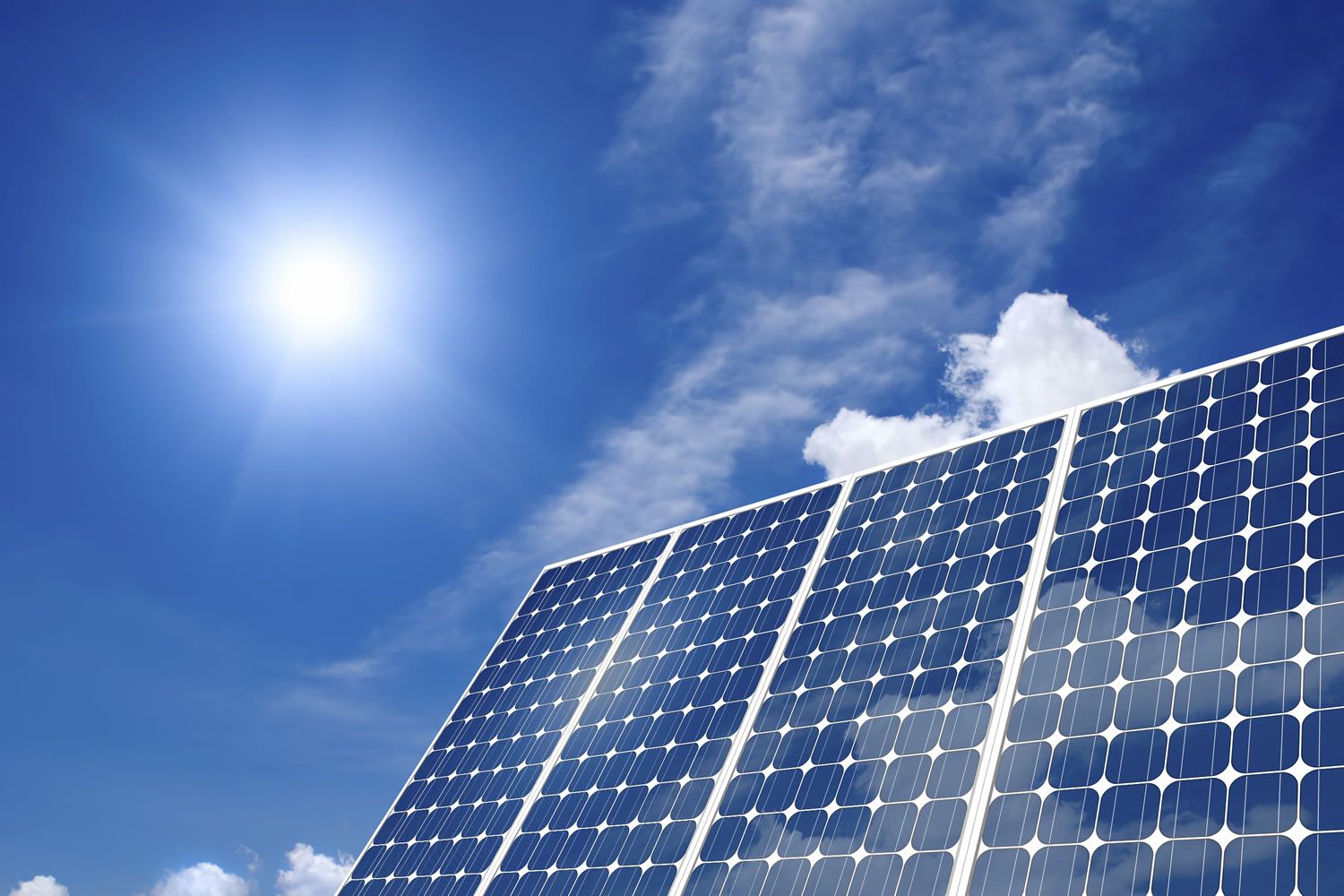
Solar panels work by converting sunlight into electricity using photovoltaic (PV) cells. When sunlight hits these cells, it generates direct current (DC) electricity, which is then converted into usable alternating current (AC) power for your home.
This electricity is used instantly to power your appliances, lighting, and devices. If your system produces more energy than you need during the day, the extra power is either stored in batteries or sent back to the grid (depending on your setup).
This simple process is the foundation of how solar power reduce electricity bills for homeowners.
How Solar Panels Lower Your Electricity Bills
1. You Generate Your Own Electricity
The biggest advantage of solar energy is that you produce your own power. Every unit of electricity generated by your solar panels is one less unit you need to buy from your utility provider.
Over time, this direct reduction in grid consumption leads to major savings. The more electricity your solar system produces, the lower your bill becomes.
2. Reduced Dependence on Utility Companies
Traditional electricity comes from utility companies, and their prices are often unpredictable and increasing every year. Solar energy reduces your dependence on these companies.
Instead of buying most of your electricity, you rely on your own system. This protects you from rising energy rates and gives you more control over your monthly expenses.
3. Net Metering Benefits
In many regions, homeowners can benefit from net metering. This system allows you to send excess solar electricity back to the grid. In return, you receive credits that reduce your future electricity bills.
For example, if your solar panels produce more electricity during the day than you use, those extra units are not wasted. Instead, they are stored as credits, which you can use at night or during low solar production periods.
This system can help some households achieve extremely low electricity bills.
4. Battery Storage Increases Savings
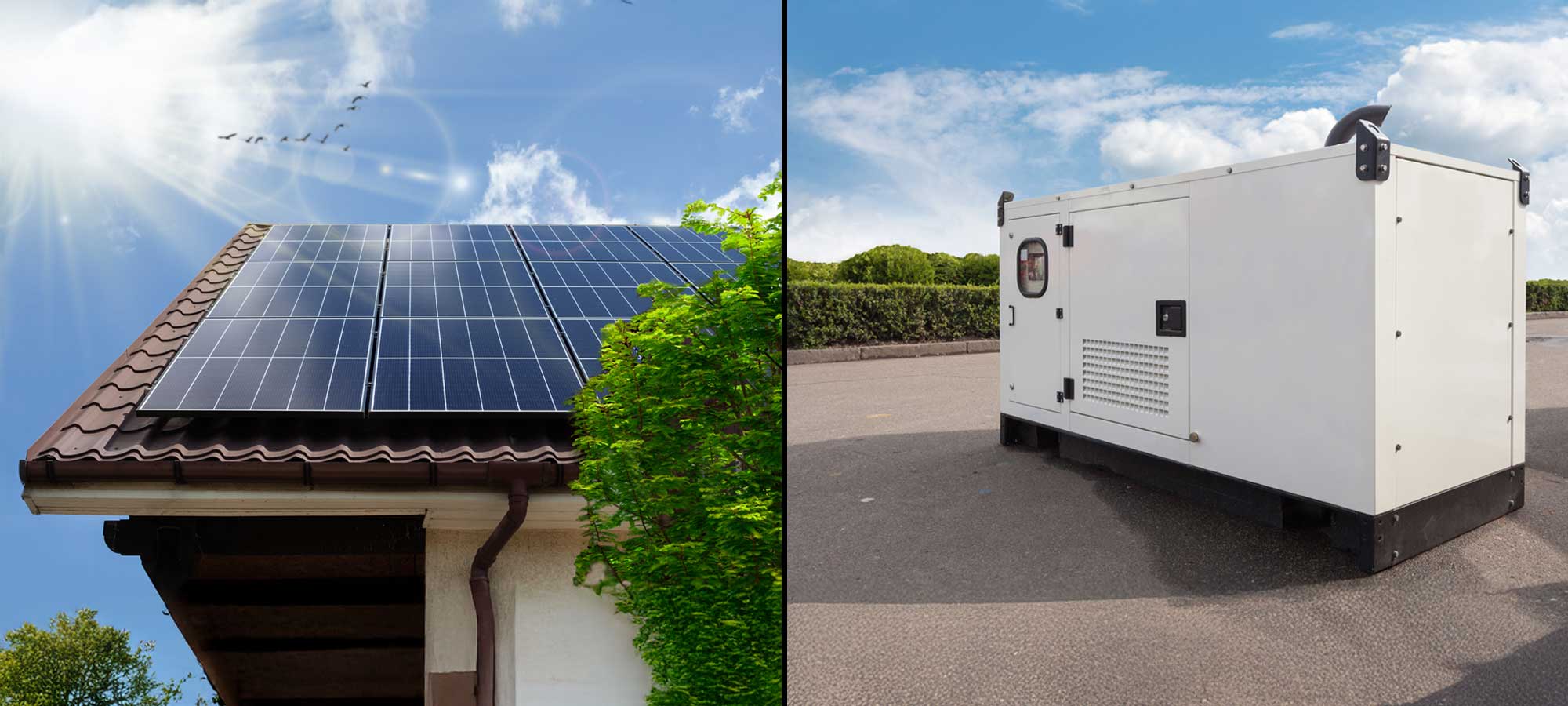
Adding a battery to your solar system allows you to store extra electricity instead of sending it back to the grid. This stored energy can be used at night, during cloudy weather, or during power outages.
By using more of your own solar energy and less grid electricity, your savings increase even further. Battery systems are especially useful for households that want energy independence.
5. Lower Cost Per Unit of Energy
Over time, solar power becomes much cheaper than traditional electricity. Once installed, solar panels produce energy at almost no ongoing cost.
This means your cost per unit of electricity drops significantly, especially when compared to rising utility rates. Over the lifespan of the system (20–25 years), this leads to major financial savings.
Can Solar Really Cut Bills by 80% or More?
Yes, but the exact savings depend on several factors:
- Size of the solar system
- Amount of sunlight your location receives
- Daily electricity usage patterns
- Use of battery storage
- Availability of net metering
In general:
- Average households save around 50% to 70%
- Well-optimized systems can reach 70% to 80%+ savings
- In some cases with batteries and efficient usage, bills can drop even lower
So while 80% savings is not guaranteed for everyone, it is absolutely achievable under the right conditions.
Long-Term Financial Benefits
Solar energy is not just about lowering monthly bills. It is also a long-term investment that pays off over time.
1. Massive Lifetime Savings
Most solar systems last 20 to 25 years. Over this period, homeowners can save thousands or even tens of thousands in electricity costs.
2. Protection Against Rising Prices
Electricity rates tend to increase every year. With solar, you lock in your energy cost, making your expenses more predictable.
3. Increased Property Value
Homes with solar installations are often more attractive to buyers because of lower energy costs and sustainability benefits.
How to Maximize Your Solar Savings
If you want to get the most out of your solar system, here are some practical tips:
1. Choose the Right System Size
Make sure your solar system matches your household’s electricity needs. An undersized system will not provide maximum savings.
2. Use Electricity During Daylight Hours
Try to run heavy appliances like washing machines or air conditioners during the day when solar production is highest.
3. Consider Battery Storage
If your budget allows, a battery system can significantly increase savings by storing unused energy.
4. Monitor Your Energy Usage
Keep track of your consumption patterns. Small changes in habits can lead to big savings over time.
5. Optimize Panel Placement
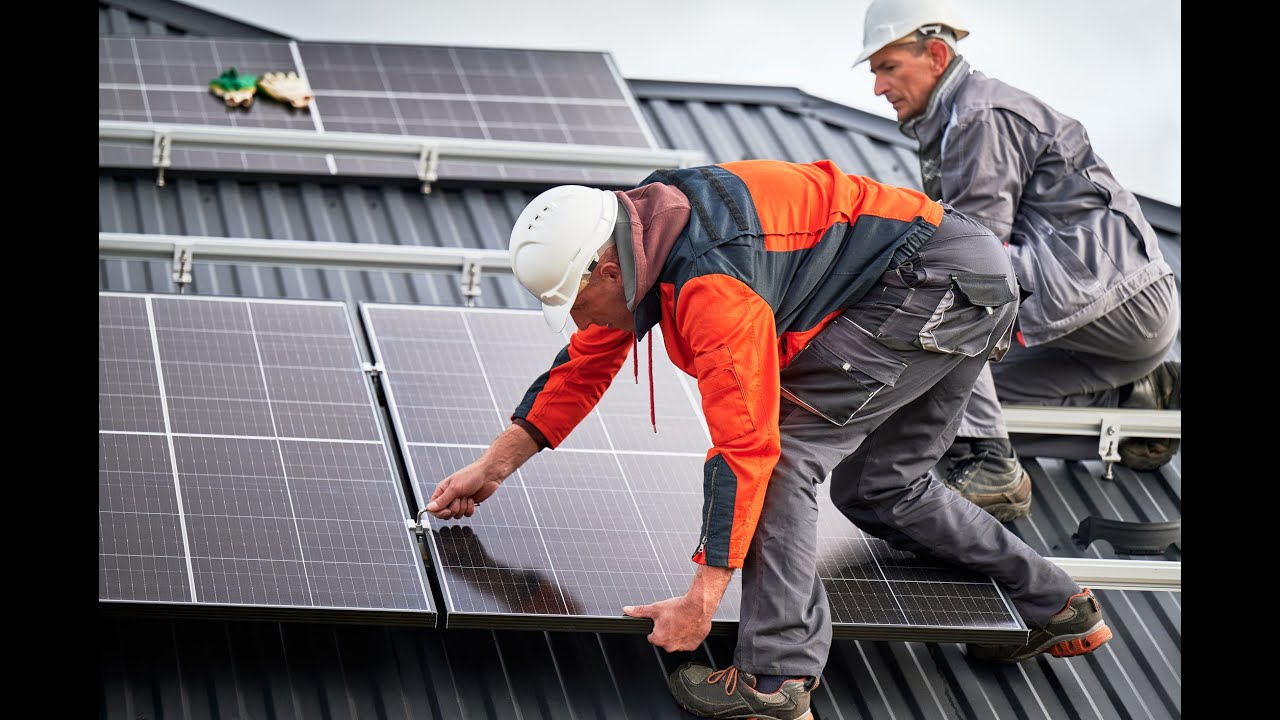
Proper installation ensures maximum sunlight exposure, which directly improves energy production.
Why Solar Energy Is Growing So Fast
Solar energy adoption is increasing worldwide because it offers a combination of financial and environmental benefits. Homeowners not only reduce their electricity bills but also contribute to a cleaner environment by reducing carbon emissions.
As technology improves and installation costs continue to drop, solar power is becoming more accessible to a wider range of households.
Conclusion
Solar energy is one of the most effective ways to reduce electricity costs in the long run. By generating your own power, reducing reliance on the grid, and using tools like net metering and battery storage, you can significantly lower your monthly bills.
For many households, savings can reach 80% or more, making solar not just an eco-friendly choice but also a smart financial decision.
If electricity prices continue to rise, switching to solar today can protect your future energy costs and give you long-term financial stability.